You hear it in the first verse — that flat, gray stretch between fall and winter when the trees are just sticks and everything feels suspended. Noah Kahan didn’t write Stick Season as a breakup anthem for TikTok. He wrote it as a hometown confession. If you’ve had it on repeat and felt seen, unraveled, or a little homesick for a place you’ve never lived, you’re not alone. Let’s walk through what he’s actually saying, why it resonates so deeply, and how that meaning translates when you want to carry it with you.
- Stick Season is about feeling stuck — emotionally, geographically, and between who you were and who you're becoming.
- The Vermont 'stick season' setting is literal: the bleak mud season between foliage and snow that mirrors post-breakup numbness.
- Key lyrics use hyper-specific small-town images (grocery store run-ins, back roads, old friends) to make universal heartbreak feel personal.
- Fans connect most when they wear the meaning lightly — vintage, cozy embroidery over loud concert graphics.
What He's Actually Singing About — In One Breath
At its core, Stick Season is about being left behind while life moves on around you. It’s heartbreak, homesickness, and quarter-life limbo set during Vermont’s bleakest season.
When people search the lyrics meaning, they expect a love story. They get something more tangled. The narrator isn’t just mourning a person — he’s mourning a version of himself that existed when that love did. The relationship ended, friends left town, and he’s still driving the same roads, remembering the same house, checking if anyone remembers him the same way.
That’s why the song doesn’t build to a big angry chorus. It stays low, observational, almost conversational. He notices things: how the town looks without leaves, how an ex’s family casually forgets him, how he promised himself he’d leave Vermont and then didn’t. The ache isn’t dramatic. It’s daily, which is exactly why it sticks.
- The in-between is the point — stick season itself is not winter and not fall, just bare and waiting
- Staying vs. leaving runs through every verse — everyone else grew up and moved on, he feels frozen in place
- Memory vs. reality — the places he loves now feel haunted by who he was there with
If you’re comparing how to honor that feeling — whether you want a lyric tee, a subtle embroidered crewneck, or just the right way to explain the song to a friend — understanding that emotional stillness is key. It’s not a song to shout. It’s a song to sit with.
The Vermont Roots You Can't Miss
Stick season is a real Vermont term for the muddy, colorless weeks after leaf-peeping ends and before snow comes. Noah Kahan uses that literal landscape as an emotional metaphor.
Talk to anyone from northern New England and they’ll tell you — stick season is not poetic. It’s cold, brown, the tourist buses are gone, the ski slopes aren’t open yet, and the trees look like sticks against a flat sky. Locals often call it the fifth season. It’s beautiful to some, bleak to most, and deeply specific to Vermont.
Kahan grew up in Strafford, Vermont, and he writes like someone who never quite figured out whether home is a comfort or a trap. In interviews he has talked openly about loving Vermont while feeling claustrophobic there, and Stick Season captures that push-pull perfectly. He loves where he’s from, but he also feels judged by it, stuck in it, and scared to leave it.
If you want the full backstory on the phrase itself — why Vermonters even say it and how Kahan turned local slang into a global chorus — I break it down in What Does Stick Season Mean? The Real Vermont Story. It helps make sense of why the lyrics land so hard even if you’ve never been to New England.
On second listen, notice how many images are tied to place — back roads, the grocery store, the old house, the mountain. They’re not filler. They’re how he anchors a big feeling to a small town.
Line by Line: The Lyrics That Stay With You
The most quoted lyrics work because they are hyper-specific and painfully ordinary: running into an ex’s mother, driving past your old house, and realizing you doctored your memories to survive them.
You don’t need a lyric sheet in front of you to feel the three moments listeners replay most. First, the casual erasure — when he sees his ex’s mother and she acts like he never existed. It’s not cruel, it’s just indifference, which hurts worse. Second, the self-mythologizing — where he admits he built the past up in his head, added light that wasn’t there, because the truth felt too empty. Third, the stuckness — where he confesses he’s still in the same town, watching friends build adult lives elsewhere while he measures change by how much the woods have thinned.
What each image really means
- Small-town run-in: Not about the ex’s mom at all — it’s about realizing you mattered less in someone else’s story than they did in yours
- Doctoring the past: He admits he rewrote memories to make the loss feel more cinematic than lonely, a very human coping trick
- Bare trees and empty roads: The landscape reflects his internal state — stripped, waiting, not dead but not growing either
- Love for Vermont, fear of Vermont: The line where he says he loves his home but this season proves it can feel isolating — that’s the thesis of the whole album
The reason the song works as an educational listen rather than just a sad one is that Kahan never resolves it. He doesn’t get the girl back. He doesn’t have an epiphany. He just names the feeling of being in-betweeen with such precision that listeners feel less alone in it. That’s why therapists, teachers, and college-age fans all quote it differently — everyone hears their own version of stuck.
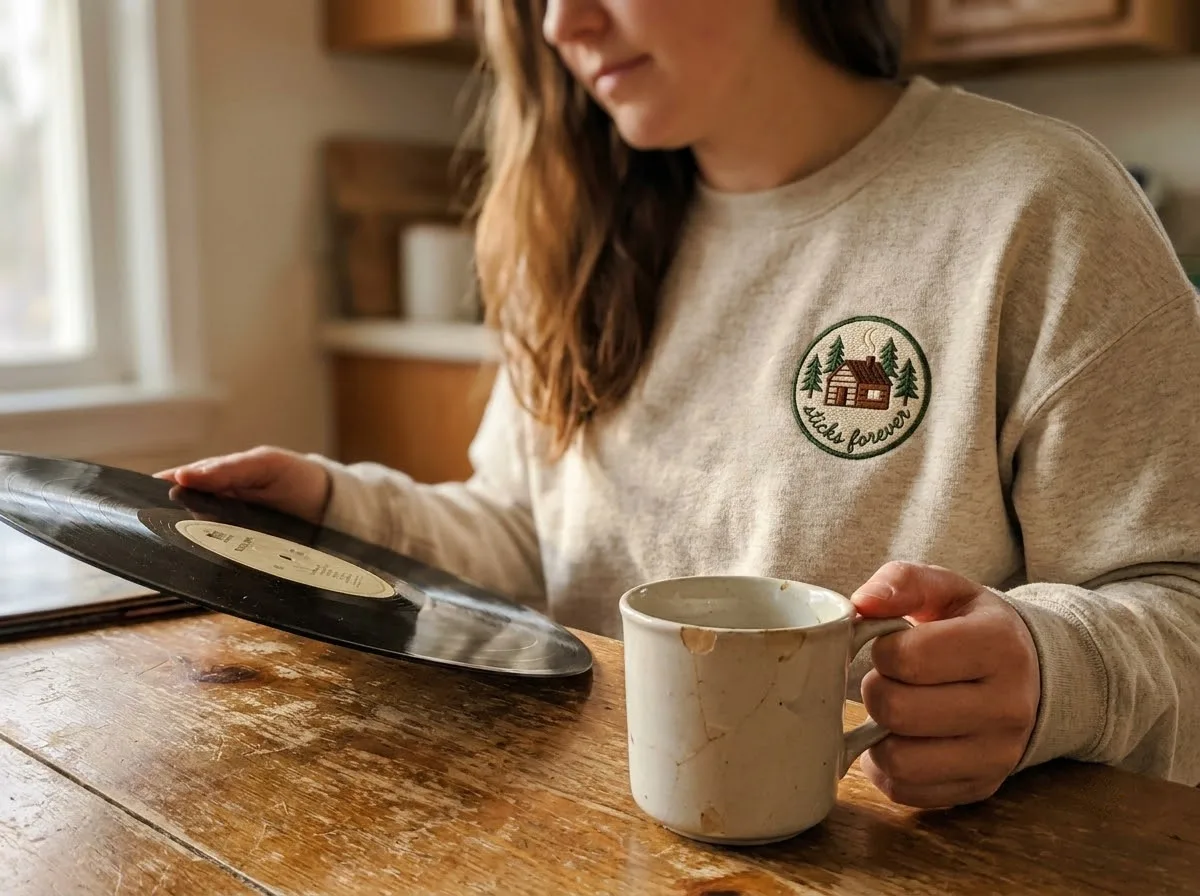
Before You Choose Something to Wear It With
The best Stick Season apparel feels like the song: soft, vintage, and quietly specific — not a loud graphic. Look for muted tones, small chest embroidery, and durable fleece you will actually wear on those gray in-between days.
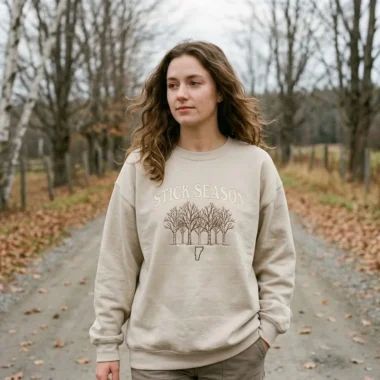
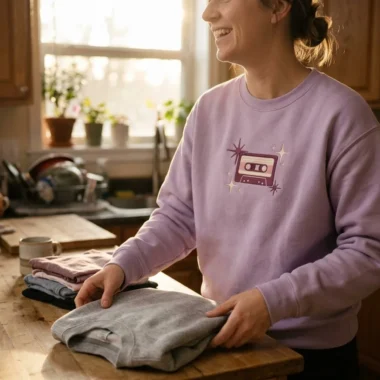
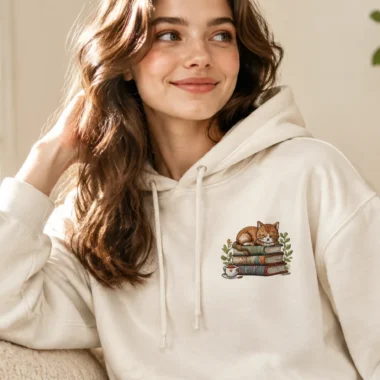
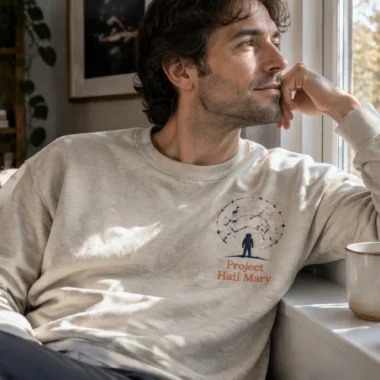
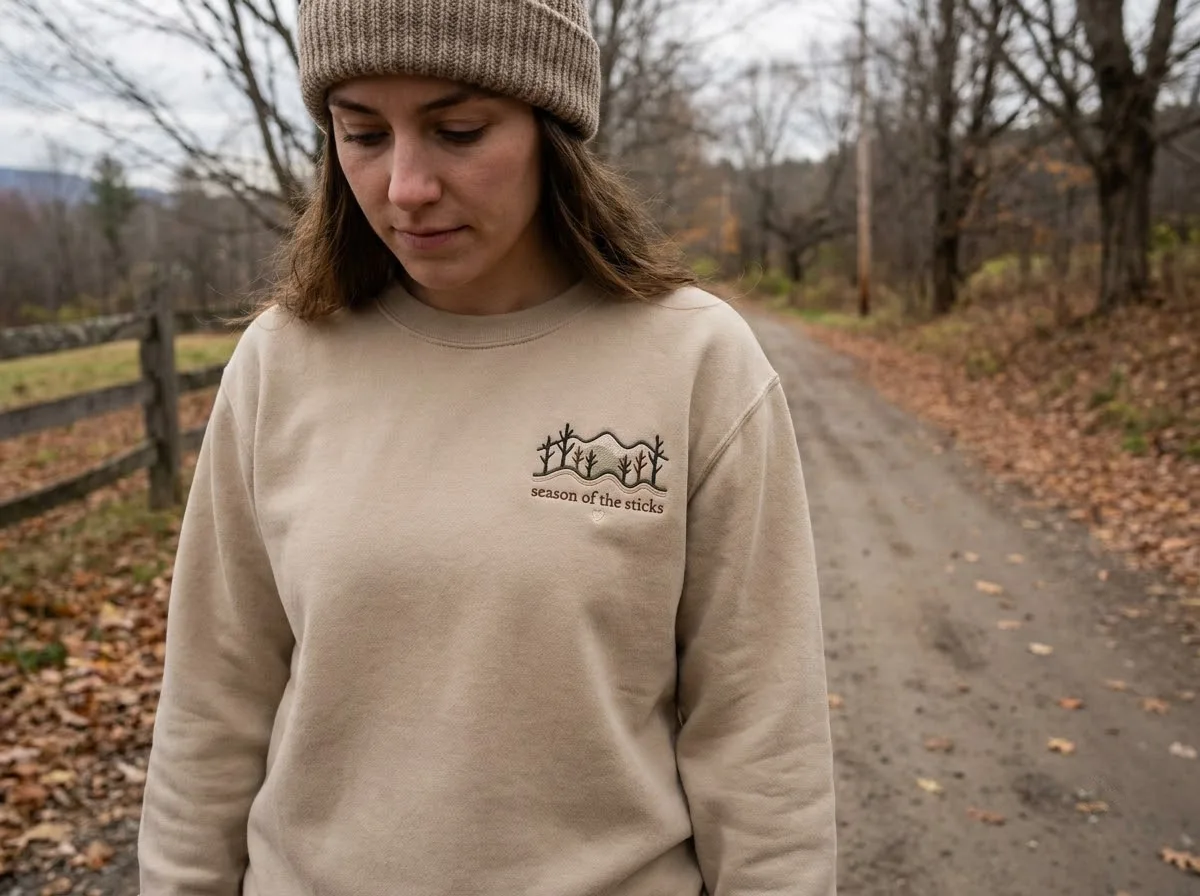
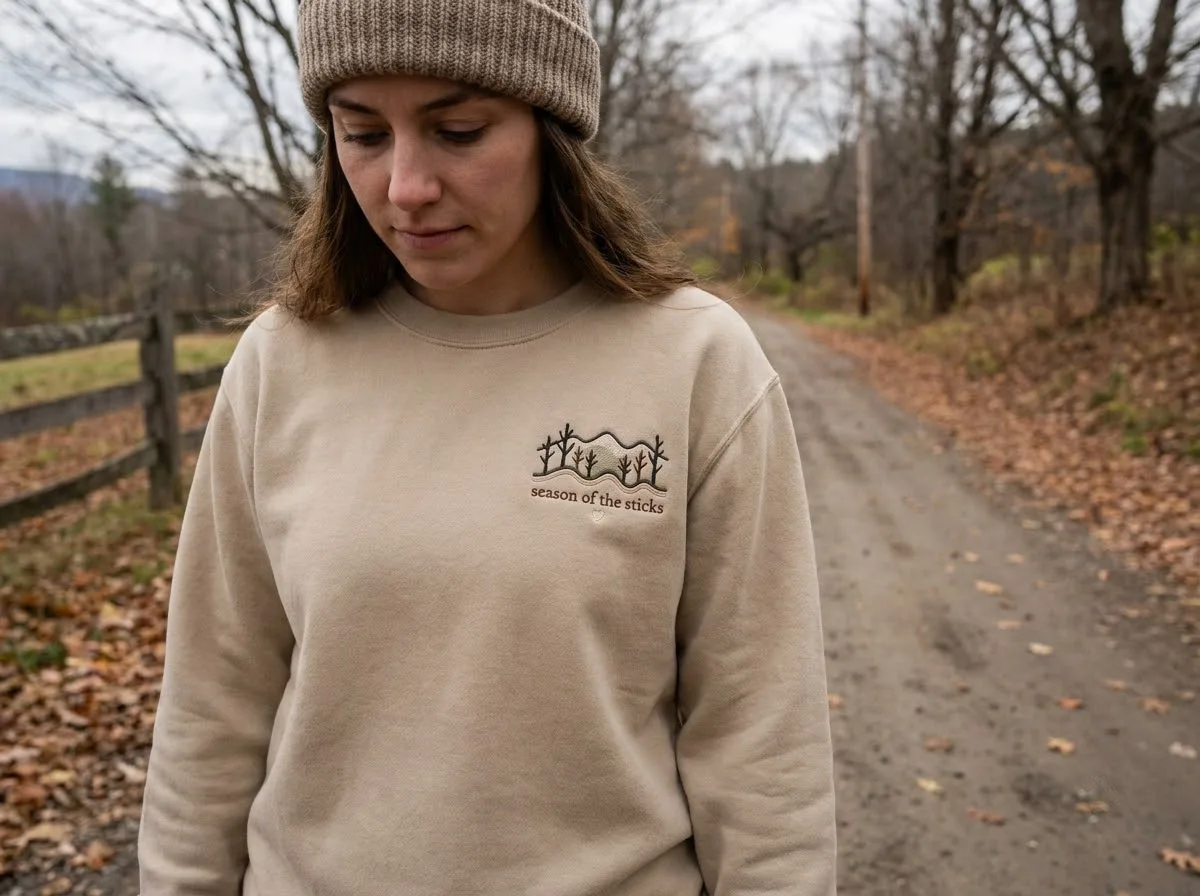
Because the song is so personal, the merch that lasts isn’t the loudest. Fans who live in their Kahan crews for years tend to pick embroidered over printed, sand and forest and faded navy over bright white, and a single chest emblem over a full front photo. Embroidery gives you that raised, textured feel that echoes the folk-art, cabin, Vermont vibe without screaming tour merch.
If you are comparing options right now, our curated stick season merch collection pulls these quieter designs together in one place — all machine-embroidered, all designed to feel like something you found in a general store, not a merch table.
| Style | Best For | Feel |
|---|---|---|
| Minimal mountain + text | Everyday wear, gifting | Quiet, Vermont-rooted, goes with everything |
| Cabin / folk badge | Fans who love the album art | Vintage park-badge nostalgia |
| Tour / road-trip graphic | Concert memories | A little louder, story-driven |
Choosing a style that matches the lyric mood
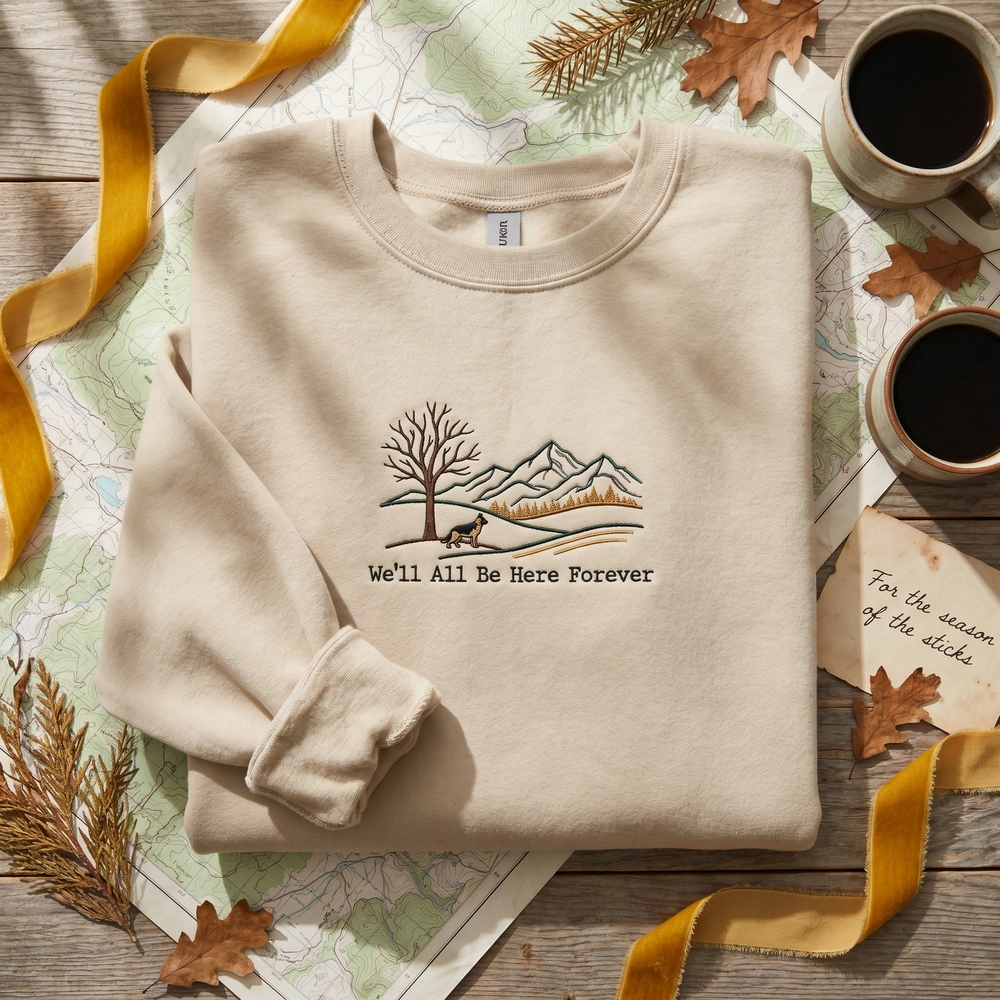
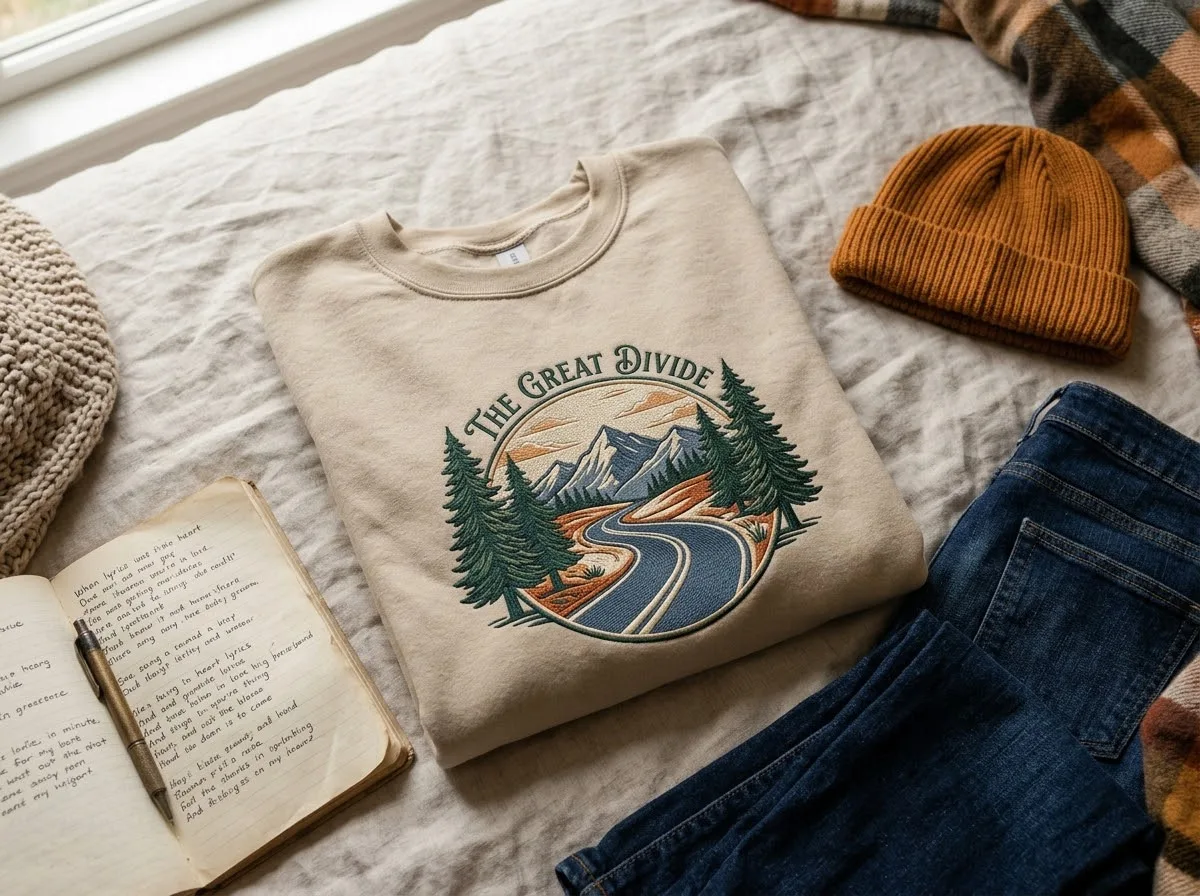
A soft, vintage-feel crew with a small mountain-and-sticks emblem — perfect if you want the lyric's resilience without a big print.
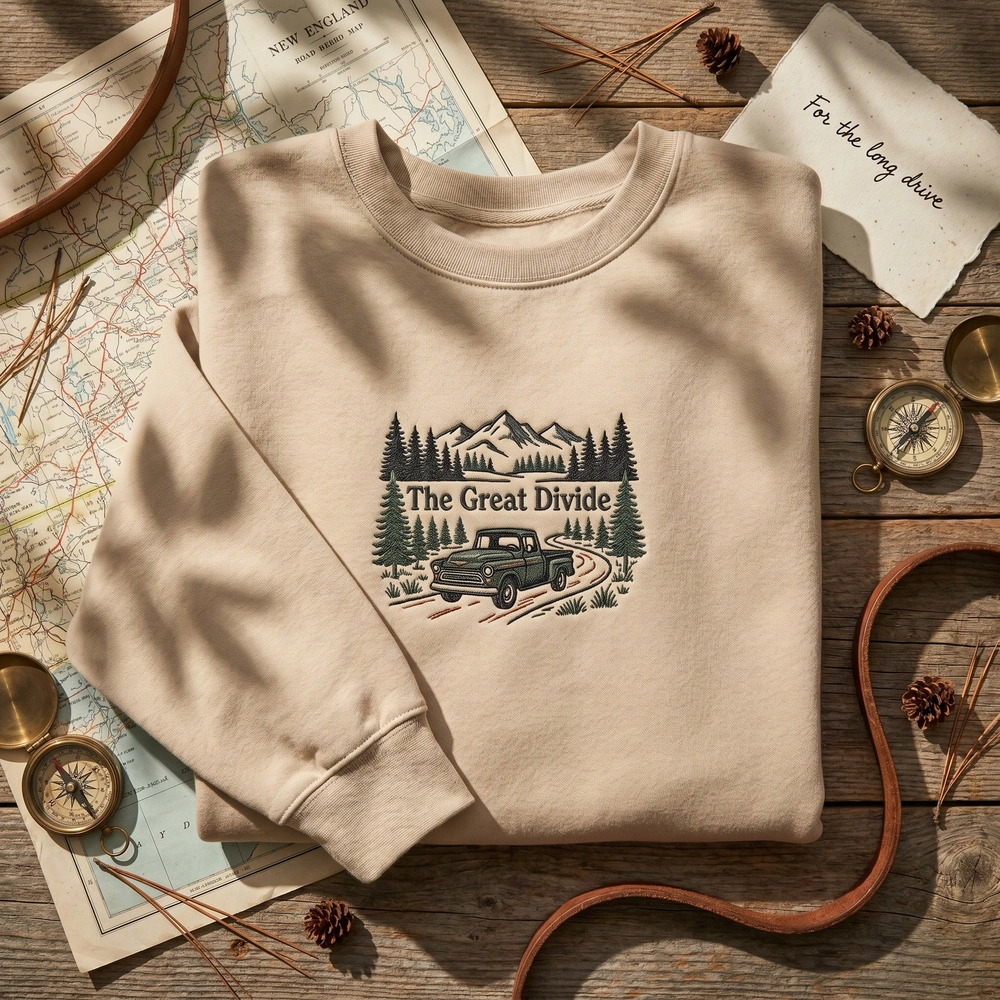
Road-trip inspired with forest tones — for listeners who hear Stick Season as a driving-with-windows-down song.
When you try it on, check the details I always check after years making these: is the embroidery dense enough to hold after washing, is the design centered at chest height (about 18-28% of the front), and does the inside feel brushed but not bulky for layering over a tee in mud season?
Gifting the Feeling, Not Just the Fandom
A great gift translates the song’s meaning into comfort: cozy, wearable, and specific enough that the recipient knows you listened. Embroidered sweatshirts and hoodies hit that balance better than generic lyric prints.
This is a commercial-investigation moment — you’re likely deciding between a few gifts and want the one that will actually get worn. My honest take: go embroidered and go understated. Your friend who cries to the bridge will wear a sand-colored crew with a small cabin emblem to class, to work, to the grocery store where they might still run into someone. A giant lyric print gets worn once to a concert.
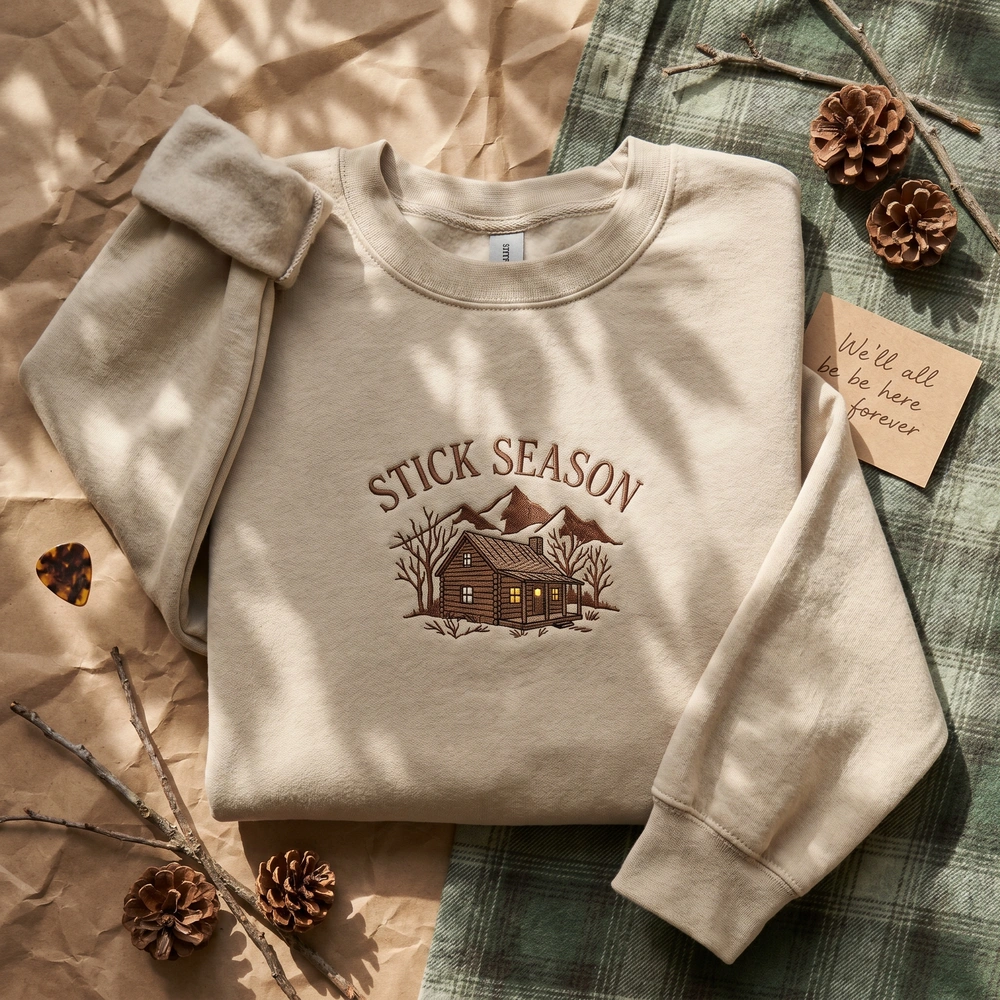
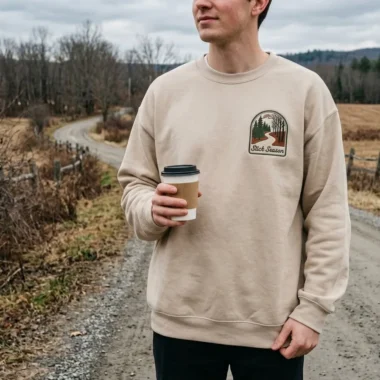
Designed as a gift-first piece — cabin folk emblem, soft earth tones, and a fit that layers beautifully for fall and spring.
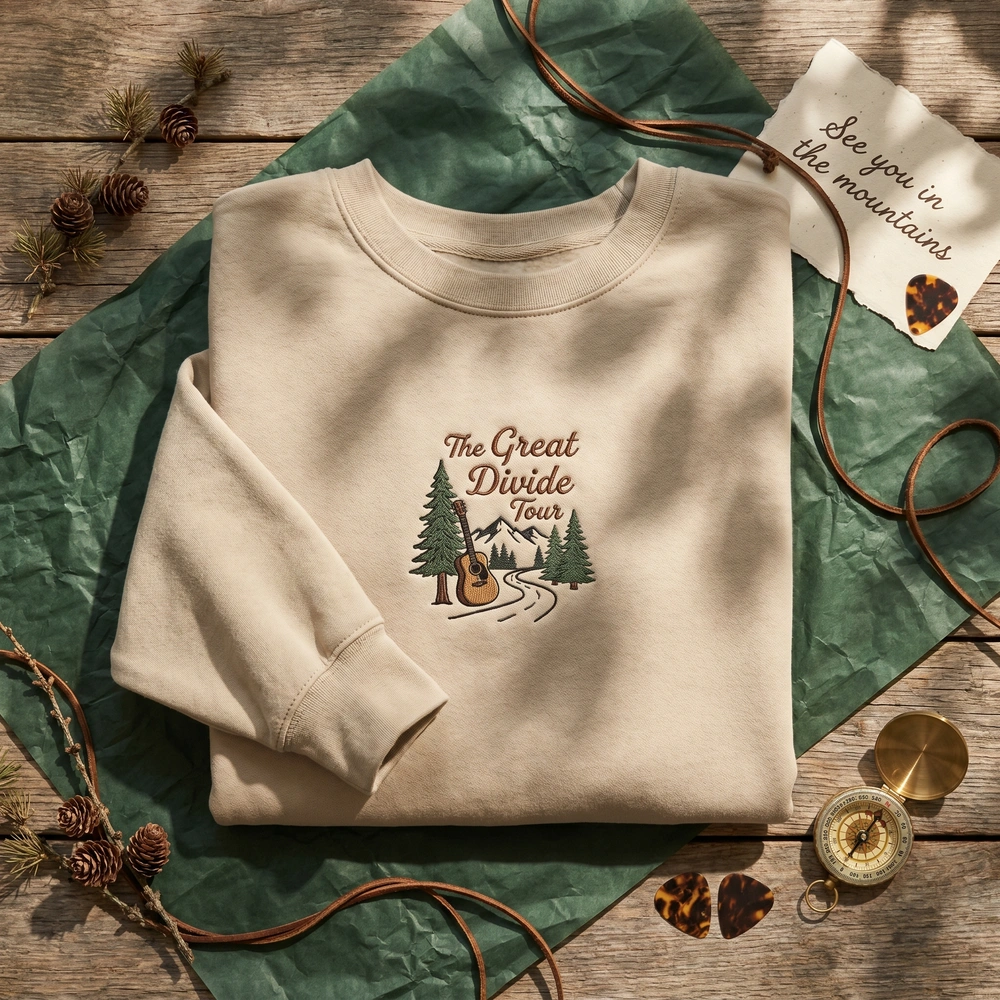
The mountain-badge version in sand — timeless for indie folk fans who want a hint of Vermont without a costume.
- Pick the right weight: Mid-weight fleece (around 320-350gsm) is ideal for stick season layering — warm enough for November walks, light enough for April
- Match their palette: Sand, oatmeal, forest, washed navy — colors that look like the album cover, not neon
- Add a note: Handwrite the line that made you think of them — that small gesture turns merch into a keepsake
The song endures because it gives language to a season most of us live through silently. A thoughtful piece of apparel does the same — it lets someone carry that language quietly, in soft thread, wherever they are stuck and wherever they’re headed next.
Quick questions
Is Stick Season about a real breakup?
Yes in spirit — Kahan writes from his own experience growing up in Vermont and watching relationships and friendships shift as people left home. The details are personal, but the feeling of being left behind is what makes it universal.
What does the chorus mean when he says he loves Vermont?
It's both love and frustration. He loves his home deeply, but stick season exposes its isolation — bare, quiet, and stalled — which mirrors how he feels emotionally after loss.
Why does he mention doctoring his memories?
He's admitting he made the past seem brighter than it was to make the heartbreak feel more meaningful. It's a self-aware line about how we romanticize what hurt us to justify missing it.
What kind of Stick Season gift feels most personal?
Small, embroidered details beat big prints. A tonal sweatshirt with a mountain, cabin, or stick-tree emblem feels like a shared inside reference rather than generic merch.