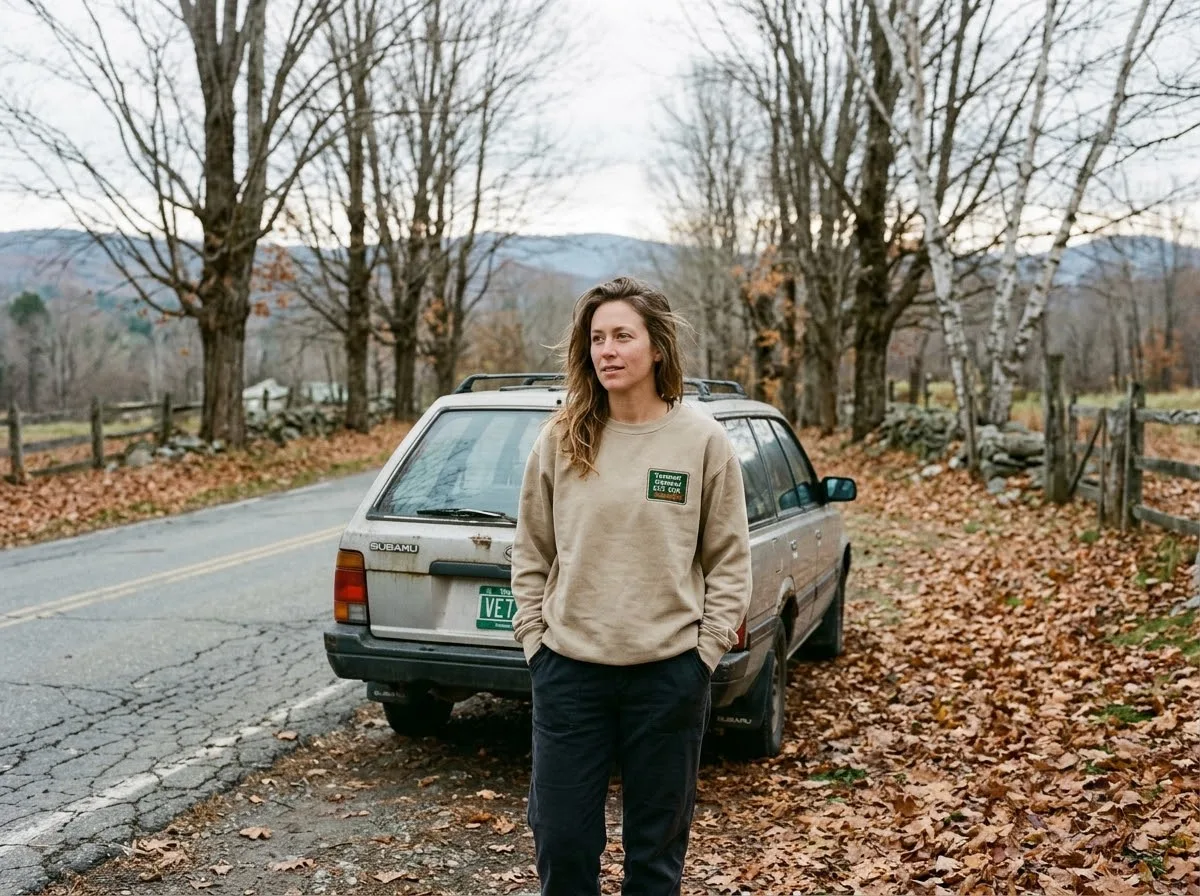
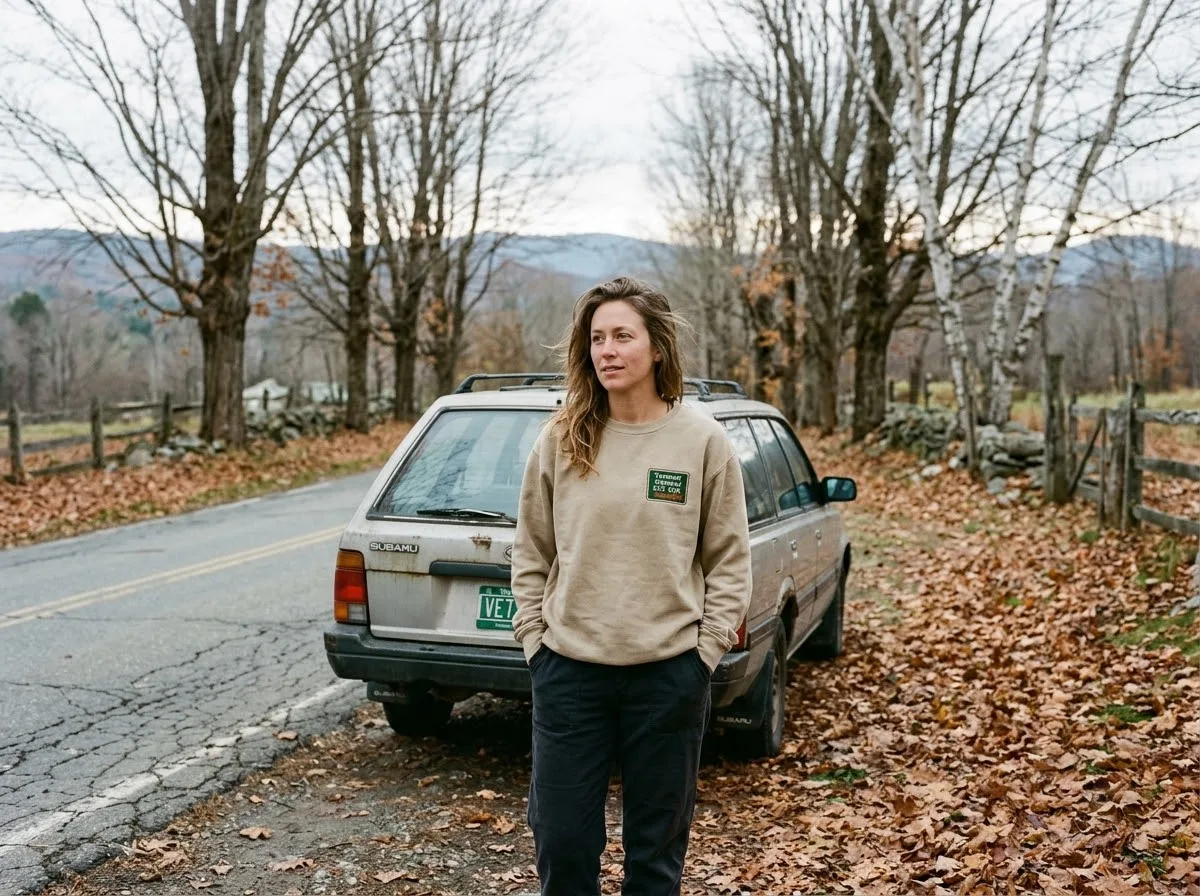
Stick season doesn’t look like the Vermont postcards. The maples are bare, the roadside farm stands have closed for the year, and the Instagram crowds have moved on. But if you’re willing to trade vivid reds for stark branches and solitude, a Vermont fall road trip during stick season offers something October can’t: empty roads, last-minute lodging, and a version of the state that locals actually recognize. This guide covers which routes stay accessible, what changes between late October and early December, and what to pack when the weather can’t decide whether it’s autumn or winter.
- Stick season runs roughly late October through early December—after foliage drops, before consistent snow—and the timing varies across Vermont's microclimates.
- Southern Vermont scenic byways like Route 7A and the Molly Stark Byway offer manageable drives without high-elevation closures.
- Many Vermont businesses reduce hours or close for several weeks between foliage and ski seasons, so confirm lodging and restaurant availability before you go.
- Bare trees reveal hidden views, but wet leaves on trails conceal roots and rocks—short walks still require good footing and bright layers during hunting season.
What Stick Season Actually Means for a Road Trip
Stick season is the transition period after Vermont’s fall foliage drops and before winter fully arrives, typically spanning late October through early December. It’s not a second name for peak leaf-peeping—it’s the quieter interval when bare branches dominate and the first snowfalls begin.
The Southern Vermont Deerfield Valley Chamber places stick season roughly between late October and early December, though this is an approximate seasonal window rather than a guaranteed statewide calendar. Vermont Tourism notes that the first snowfall typically occurs during this transition, which means your road trip itinerary needs to account for weather variability and route closures that wouldn’t have mattered in September.
What changes: the crowds thin out dramatically, lodging rates drop, and some businesses close or shift to limited hours. The landscape trades color for texture—bare hardwoods, evergreen contrast, and long sightlines. If you’re used to summer or foliage-season Vermont, stick season requires a different mindset: confirm hours, check road conditions daily, and pack layers for temperatures that can swing 30 degrees between morning fog and midday sun.
Check Vermont’s official travel-information page and reference New England 511 for real-time highway conditions and closures. Some high-elevation roads, including VT-108 through Smugglers’ Notch, are subject to seasonal and weather-related closures—don’t build a late-fall itinerary around guaranteed access.
The Best Southern Vermont Byways for Stick Season Drives
For a manageable southern Vermont driving itinerary, Historic Route 7A connects Bennington and Manchester along the 33-mile Shires of Vermont Byway, linking 15 towns and villages. The Molly Stark Byway offers another southern route through lowland valleys and Green Mountain National Forest, passing through Brattleboro and Woodford, Vermont’s highest settled town.
Southern Vermont’s byways stay accessible longer into stick season than high-elevation mountain passes. Vermont Tourism’s scenic byways page details both routes, and neither requires you to gamble on whether a notch road will be open when you arrive.
| Route | Distance | Highlights | Best for |
|---|---|---|---|
| Historic Route 7A (Shires of Vermont Byway) | 33 miles | Bennington to Manchester, 15 connected towns, valley views | First-timers, antique browsing, manageable half-day drive |
| Molly Stark Byway | Brattleboro to Bennington | Green Mountain National Forest, Woodford (highest settled town), lowland valleys | Forest scenery, longer drive, fewer commercial stops |
Southern Vermont byway comparison
Both routes work well as out-and-back day trips or as segments of a longer loop. If you’re piecing together a multi-day itinerary, consider overnighting in Bennington or Manchester and using one byway as your outbound leg and the other as your return—this gives you valley and forest perspectives without backtracking.
What to skip: high-elevation notch roads
VT-108 through Smugglers’ Notch is spectacular in summer, but the Green Mountain Club and state travel resources both warn that the road is subject to seasonal and weather-related closures. Don’t assume a route that was open in early October will still be passable in late November—check New England 511 the morning of your drive, and have a southern alternate ready.
Timing Your Trip: Late October vs. Early December
Late October still offers some leaf color and more businesses open, while early December brings bare branches, possible snow, and reduced services as towns transition between foliage and ski seasons. The exact timing varies by elevation and latitude across Vermont.
Stick season isn’t uniform. Southern lowlands may hold leaves into early November, while higher elevations can see snow flurries by late October. If you’re flexible on dates, late October gives you a softer landing—more lodging and dining options still operating on fall hours, and roads less likely to encounter early snow. By mid-November, you’re firmly in the transitional gap: fewer services, more variable weather, and a landscape that looks unfinished rather than autumnal.
- Late October: Tail end of foliage, most businesses still on fall schedules, milder temperatures, easier road conditions
- Mid-November: Fully bare trees, some business closures, unpredictable weather, occasional road treatments for ice
- Early December: First consistent snow possible, many seasonal businesses closed until ski season, quietest roads and towns
Some Vermont businesses close for several weeks or reduce their hours between foliage tourism and winter operations, so the Deerfield Valley Chamber recommends confirming lodging, restaurant, and attraction schedules rather than relying on summer or peak-fall hours. Call ahead for inns, check restaurant websites for seasonal closures, and have backup dining options mapped.
What to Pack: Layers, Visibility & Practical Gear
Pack for a 30-degree temperature range: base layers, a warm midlayer, a weatherproof outer shell, and bright or high-visibility outerwear for any walks or roadside stops. Wet leaves and hunting activity make visibility and traction non-negotiable.
Stick season weather swings. You might start your drive in fog and finish in full sun, or encounter rain that turns to sleet by afternoon. Layering is the only strategy that works, and you’ll want pieces that transition from the car to a short trail walk without a full wardrobe change.
- Base layer: Merino or synthetic long-sleeve tee that wicks moisture
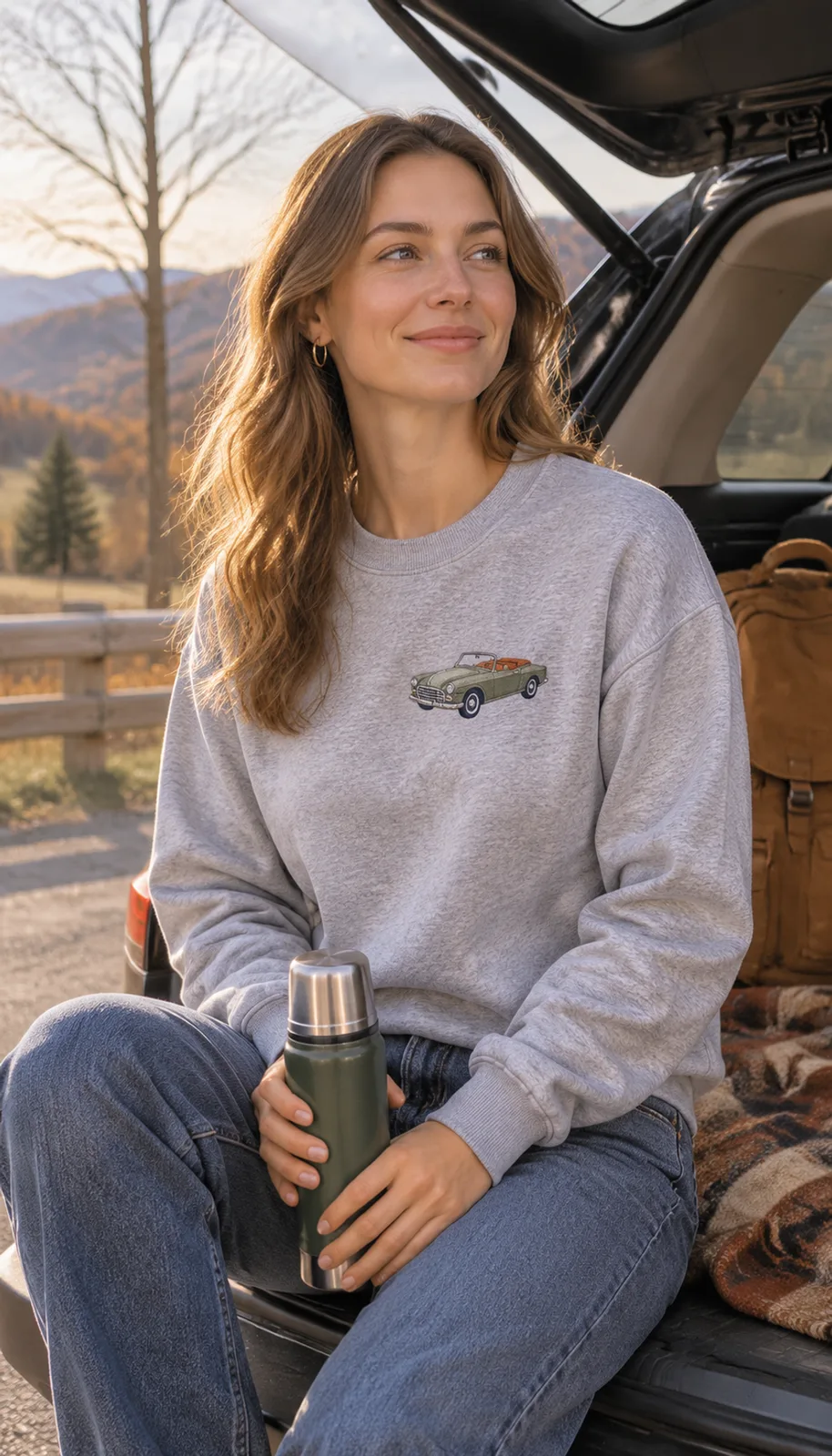
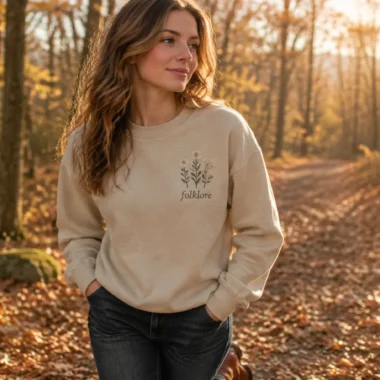
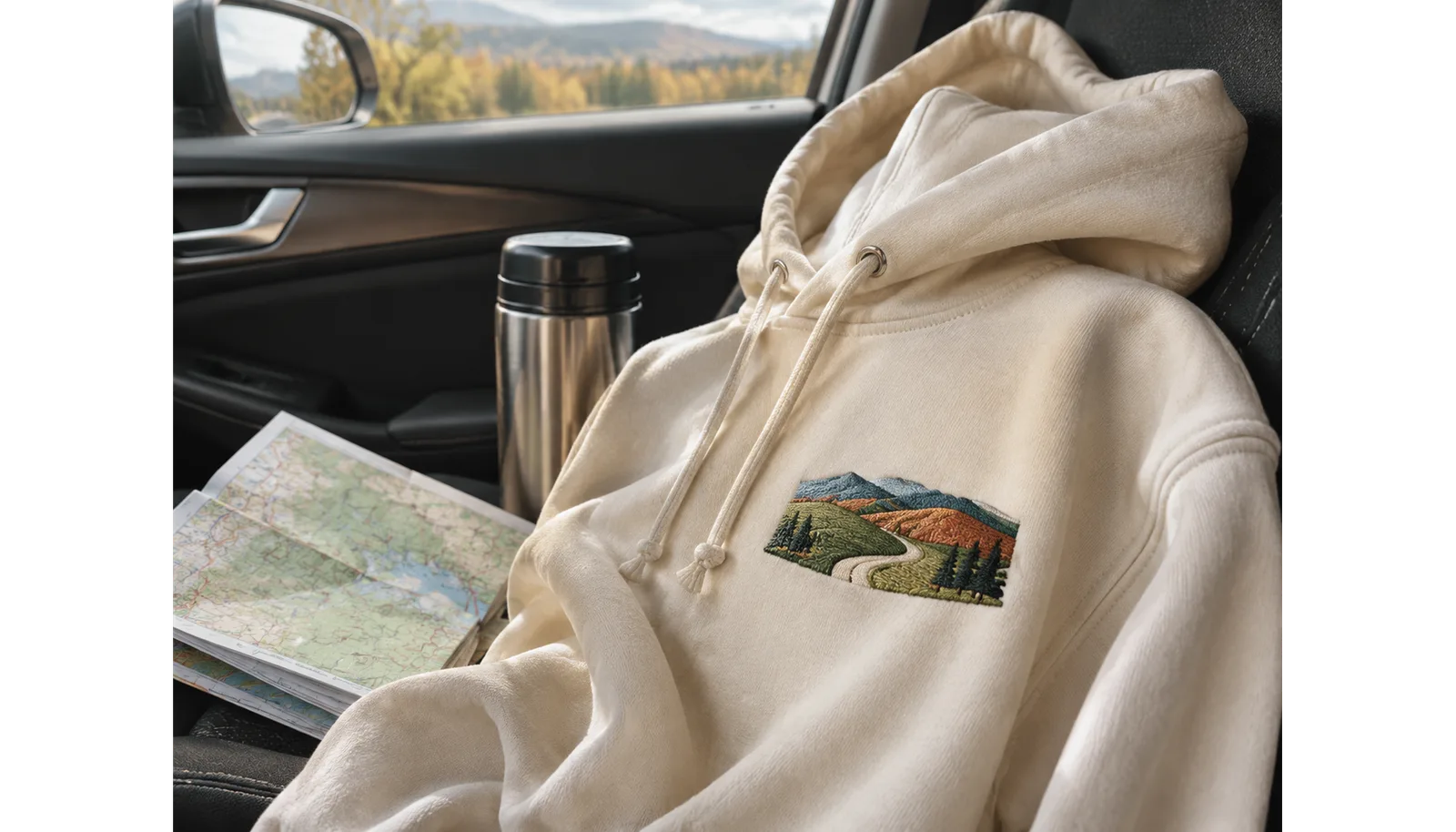
- Midlayer: A fleece or insulated pullover—something like the New England Folk Embroidered Sweatshirt works as a warm, road-trip-appropriate midlayer that doubles as a souvenir
- Outer shell: Weatherproof jacket with a hood, packable if you’re tight on space
- High-visibility layer: Hunter orange vest or bright windbreaker for any time you leave the car—stick-season walks overlap hunting activity, and the U.S. Forest Service recommends bright clothing and avoiding white or tan during deer season
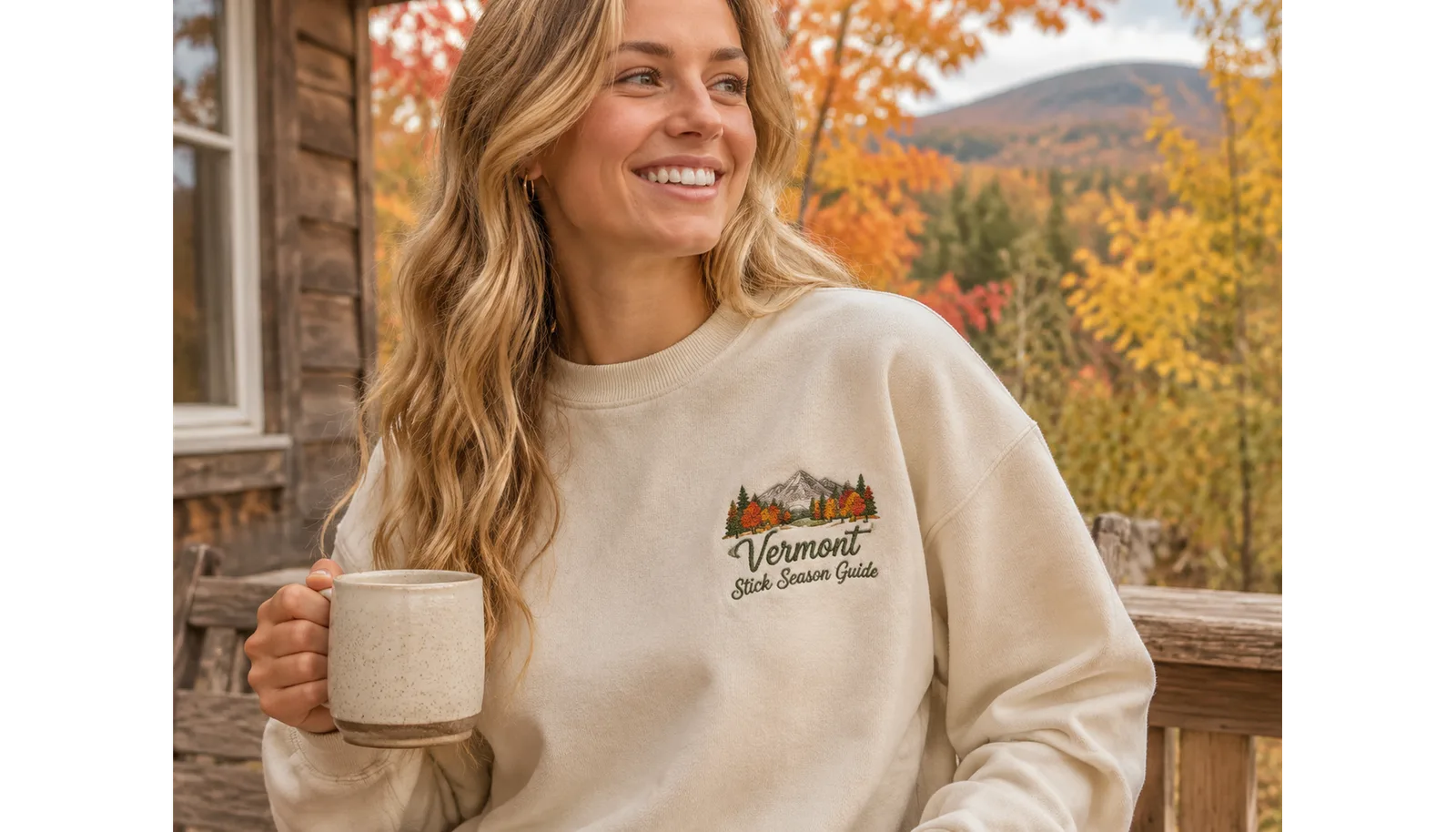
A muted embroidered sweatshirt should not be treated as a substitute for high-visibility outerwear, but it’s a practical midlayer for the car and indoor stops. If you’re looking for stick season merch that actually serves a function on the trip, the Stick Season Embroidered Sweatshirt in sand is warm enough for November mornings and thematically on-point without being costume-level obvious.
Bare trees can reveal views hidden by summer foliage, but fallen wet leaves can conceal slippery rocks, roots, and trail markings. Even short walks require boots or trail shoes with real tread, not sneakers. Pack a pair of slip-on boots that can handle mud and stay in the car for unplanned stops.
Where Stick Season Reveals What Foliage Hides
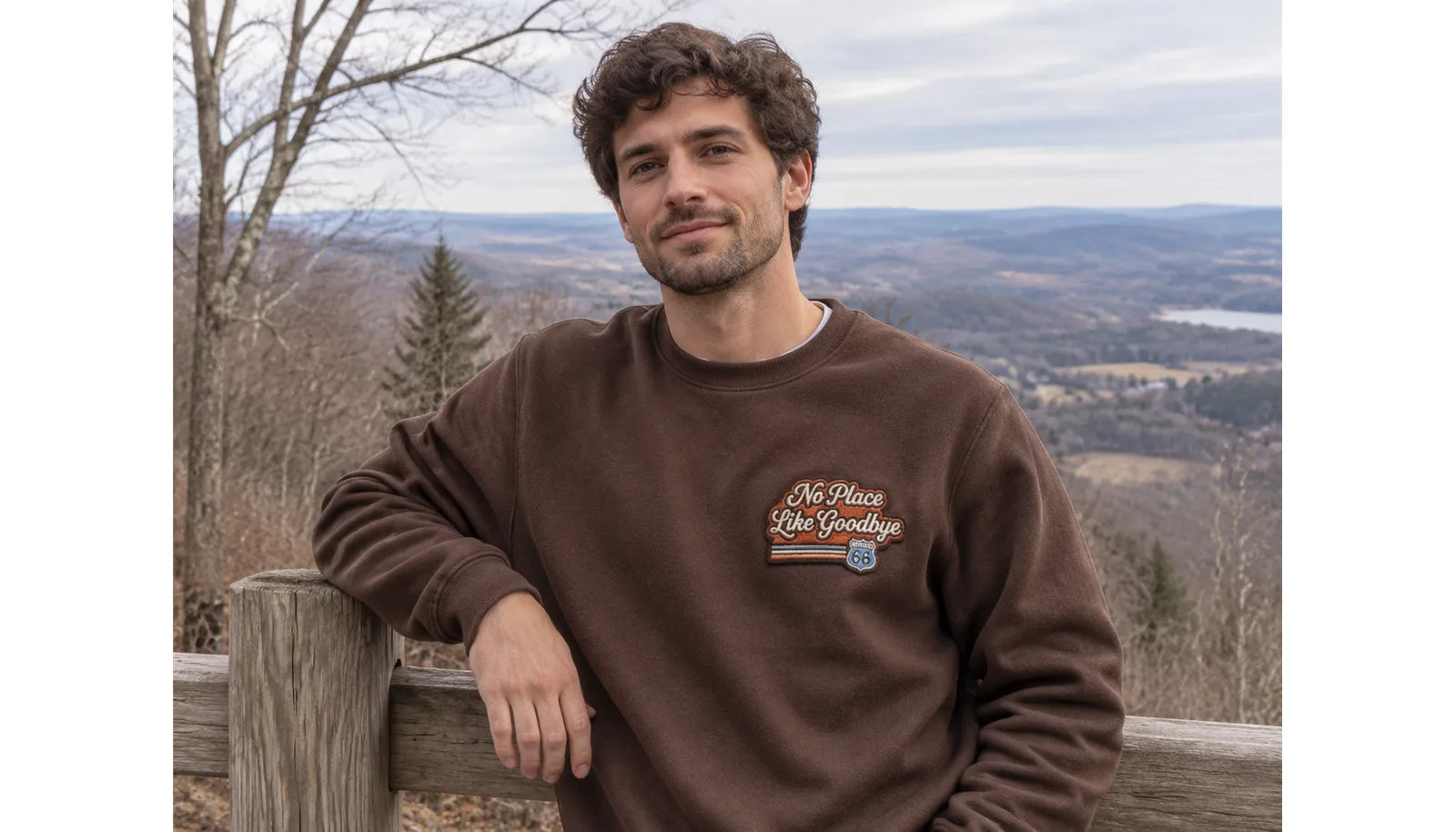
Bare trees open sightlines that summer foliage and October color block entirely—distant ridgelines, stone walls, old foundations, and valley views become visible once the canopy drops. Stick season trades vivid color for depth and structure.
This is the counterintuitive appeal of a stick-season road trip: you see more of the bones of the landscape. Without leaves, you notice how valleys fold into one another, where old farms were cut into hillsides, and which ridgelines define the horizon. Photography shifts from color saturation to texture and line—lichen on stone walls, the architecture of bare branches, low-angle light on November grass.
If you’re driving the Molly Stark Byway through Green Mountain National Forest, the bare hardwoods let you see deeper into the forest and pick out evergreen stands that disappear against October maples. On Route 7A, the absence of leaf cover makes the valley’s agricultural geometry more legible—field boundaries, fence lines, barn placement all read differently when the trees aren’t competing for attention.
Bare trees can reveal views hidden by summer foliage, but fallen wet leaves can conceal slippery rocks, roots and trail markings.— Southern Vermont Deerfield Valley Chamber
For anyone used to Vermont’s greatest-hits foliage shots, stick season can feel unfinished. But if you’re willing to adjust expectations, the trade-off is a version of the state that’s more honest and less performed. You’re not fighting for a parking spot at a scenic overlook, and the light has a different quality—lower, longer, colder—that makes even gas-station stops feel a little cinematic.
Practical Road-Trip Logistics for Stick Season
Confirm lodging and restaurant hours before you leave, check road conditions the morning of your drive, and carry snacks and water in the car in case your planned lunch stop is closed. Stick season requires more contingency planning than summer or foliage trips.
Many Vermont businesses close for several weeks between foliage and ski seasons, and online hours may not reflect November reality. Call your inn or B&B to confirm your reservation, verify restaurant hours the day before, and have backup options mapped. This is especially true for small-town cafés and farm stands that operate on seasonal schedules rather than year-round calendars.
- Book lodging early, confirm late: Stick season has fewer visitors, but also fewer open rooms. Book your stay in advance, then call the property 48 hours before arrival to confirm they’ll be open.
- Plan dining around confirmed options: Don’t assume the restaurant you found online will be serving dinner. Check recent reviews for closure notes, call ahead, and pack car snacks for the gap between late lunch and early dinner.
- Check road conditions daily: Reference Vermont’s travel-information page and New England 511 each morning for closures, construction, and weather advisories.
- Gas up in larger towns: Rural gas stations may have reduced hours or be closed entirely. Fill your tank in Bennington, Brattleboro, or Manchester rather than counting on a top-off in a smaller village.
- Carry extra layers and emergency supplies: A wool blanket, a full water bottle, and a charged phone are non-negotiable if you encounter an unexpected closure or weather shift.
If you’re the kind of traveler who packs light and figures it out on arrival, stick season will punish that approach. The infrastructure that supports peak-season spontaneity—open cafés, unstaffed farm stands, abundant lodging—contracts significantly between late October and early December. Plan as if services will be scarce, and you’ll enjoy the pleasant surprise when something is open.
Common questions
Is stick season a good time to visit Vermont?
Stick season is ideal if you want empty roads, lower lodging rates, and a less-touristed Vermont experience. It's not ideal if you need guaranteed restaurant hours, vivid foliage, or predictable weather. The trade-off is solitude and authenticity for convenience and color.
Can you still hike in Vermont during stick season?
Yes, but expect wet leaves covering roots and rocks, possible ice on north-facing trails, and hunting activity in many areas. Wear bright clothing, pack traction aids if you're going above 2,000 feet, and stick to well-marked trails. Short walks are safer than long backcountry hikes.
What roads close during stick season in Vermont?
High-elevation notch roads like VT-108 through Smugglers' Notch are subject to seasonal closures starting in late October or early November, depending on snowfall. Check New England 511 for real-time conditions, and plan southern routes like Route 7A or the Molly Stark Byway as safer bets.
Do I need winter tires for a Vermont stick-season road trip?
Not necessarily, but it depends on your dates and route. Late October trips on southern byways rarely require winter tires, but a mid-November trip through higher elevations might encounter snow or ice. Check forecasts, carry chains if you're traveling after Thanksgiving, and be ready to postpone if conditions deteriorate.