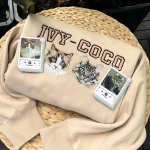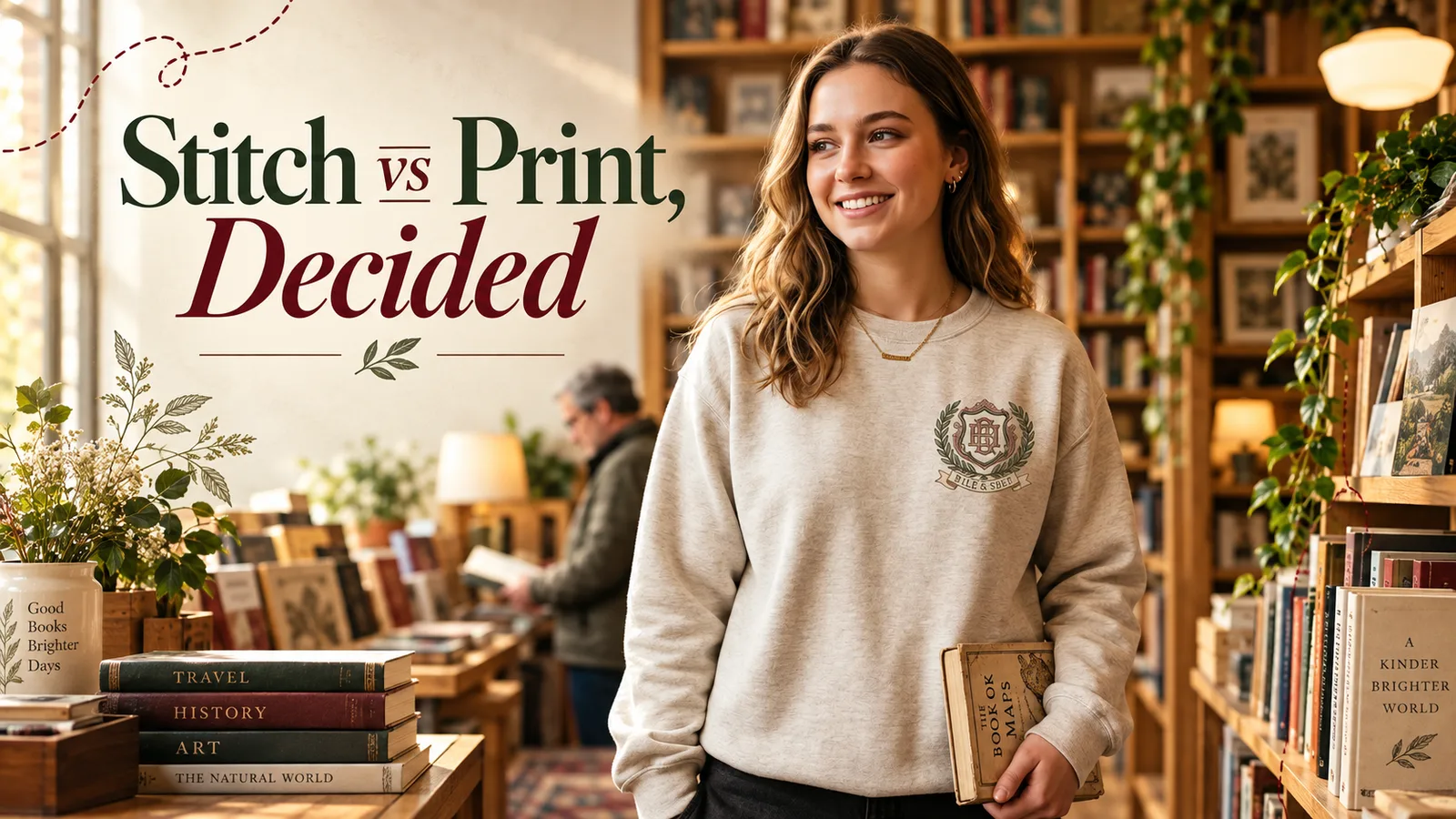
You love the design. Now you’re stuck on how it should live on the fabric — raised, textured stitches or smooth, saturated ink? I’ve seen the same artwork turn out beautifully one way and disappointing the other, and it almost always comes down to garment weight, detail size, and how you plan to wear and wash it. If you’re comparing embroidered vs printed apparel for a gift, a team order, or just your own everyday favorite, this guide gives you a clear, no-fluff way to choose.
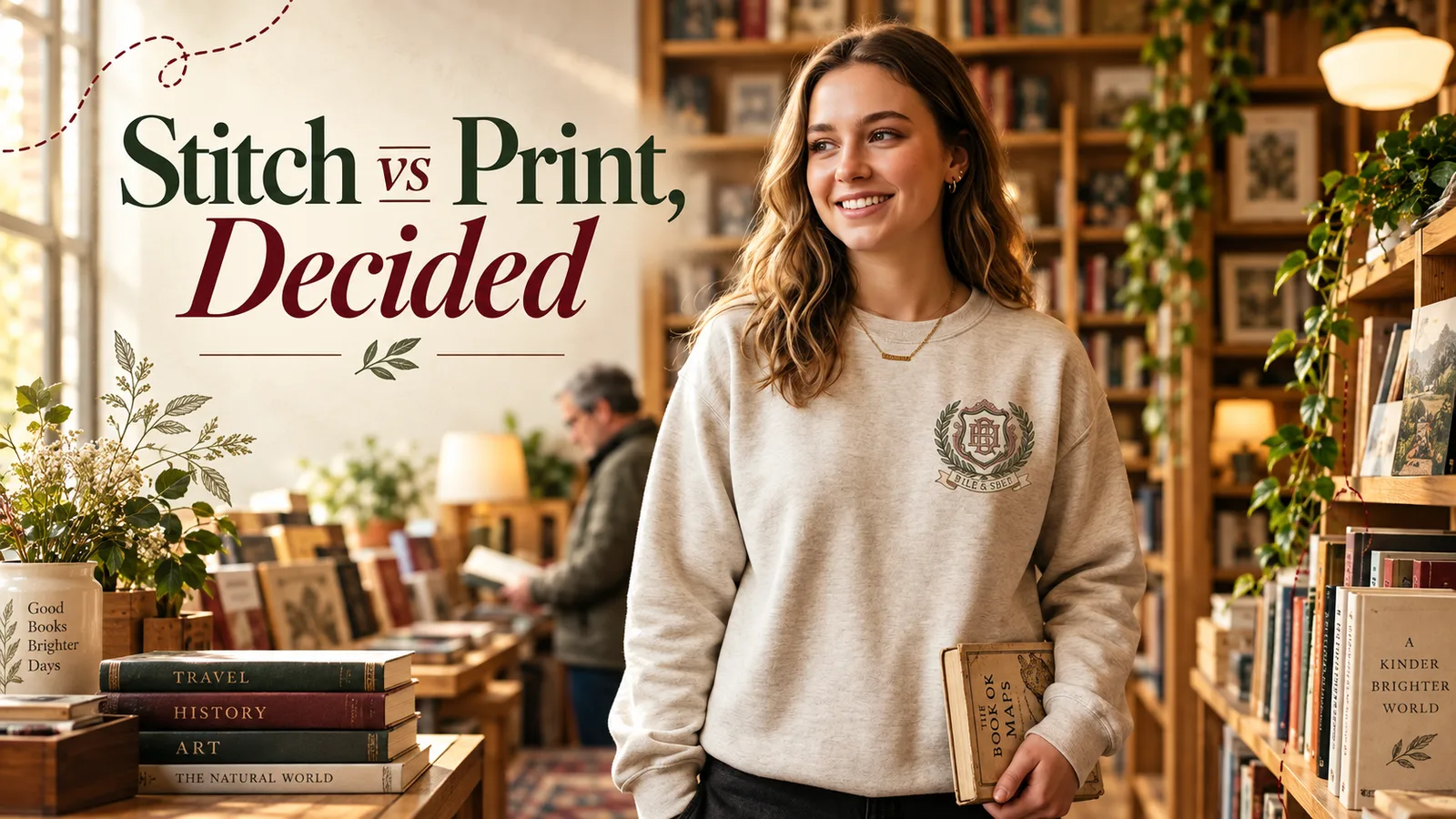
- Embroidery stitches thread into fabric; printing bonds color onto fiber — that construction difference drives look, feel and durability.
- Embroidery shines on heavier apparel like sweatshirts, hats and polos for a premium left-chest look, but struggles with tiny text and large solid fills.
- Screen printing needs a separate screen per color, so multi-color small runs cost more upfront and suit bulk, repeatable orders best.
- Durability is testable — look for colorfastness and wash testing standards, not just marketing claims.
The real difference is how it's made
Embroidery decorates fabric with stitched thread or yarn, while textile printing applies color to fabric in defined patterns that’s intended to bond with the fiber. That construction difference explains why one feels textured and raised and the other feels flat and inky.
Think of it structurally. Wikipedia defines embroidery as decorating fabric with needle and thread or yarn, while Wikipedia describes textile printing as applying color to fabric in definite patterns where the color is bonded with the fiber to resist washing and friction. One adds dimension; the other adds color.
That’s why you feel embroidery before you see the details — satin stitches catch light and create shadow — while a print lives in the fabric surface. And because modern decorating isn’t just two options anymore, PPAI notes that sublimation, direct-to-garment, heat transfers and mixed-media have become popular alongside embroidery and screen printing, so the best choice depends on garment, artwork, quantity and use case rather than one universal winner.
Run your hand over the design area on a similar garment you own. Want texture and a tactile logo that pops off a fleece? Lean embroidery. Want a large, soft, all-over graphic that drapes with the shirt? Lean print.
The case for embroidery: where stitching earns its keep
Embroidery is the go-to for a polished, premium look on structured or heavier apparel — think polos, hats, jackets, sweatshirts and left-chest logos — because it adds texture and perceived value. It’s less ideal for huge solid fills or very tiny text.
On a midweight fleece or a structured cap, stitches sit proud and hold their shape wash after wash. PPAI points out that this textured, raised finish is why teams and brands often choose embroidery for that small, deliberate chest mark — it reads premium without shouting.
But there are limits. Embroidery can pucker or distort on lightweight fabrics, and very small lettering or ultra-fine details don’t translate cleanly into thread. PPAI specifically warns that lightweight golf shirts and detailed small text can be a challenge for embroidery, where a print or transfer often delivers a cleaner result. If your artwork is a large, flat color block (like a full-back poster graphic), ink will usually be lighter, softer and more economical.
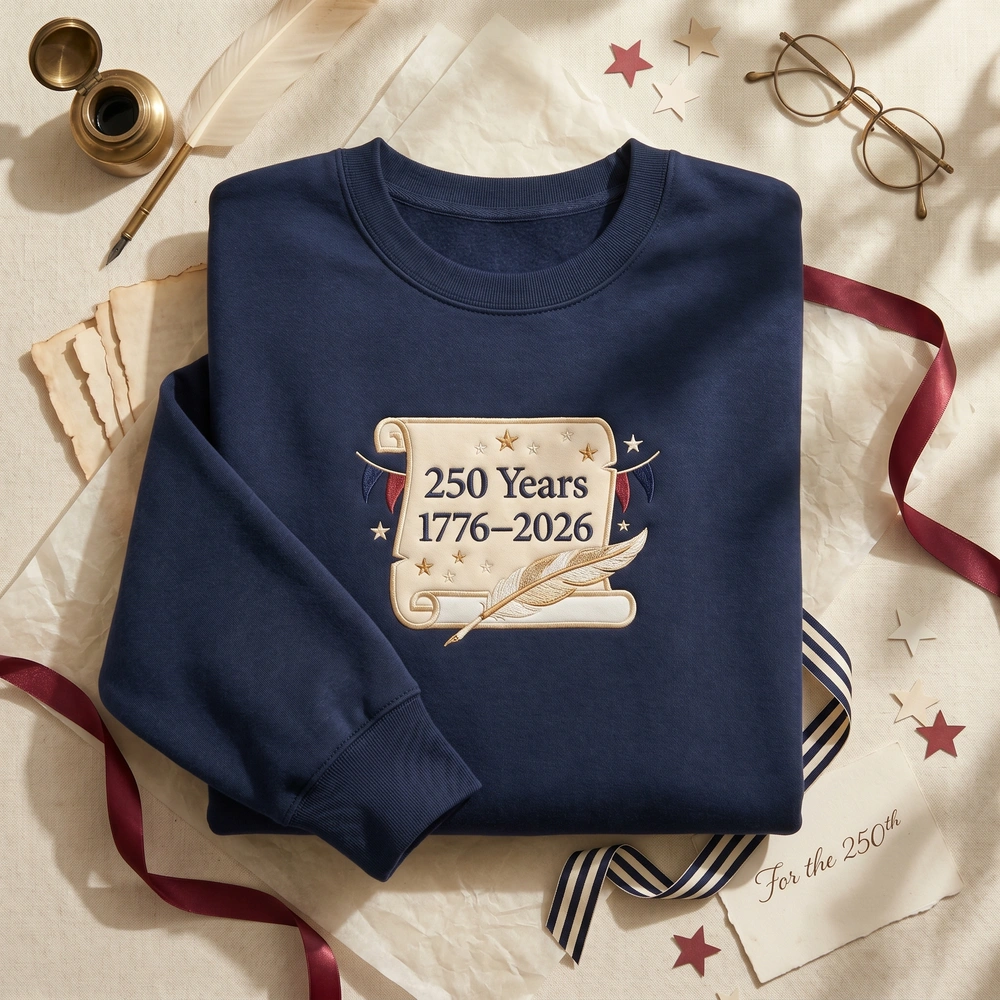
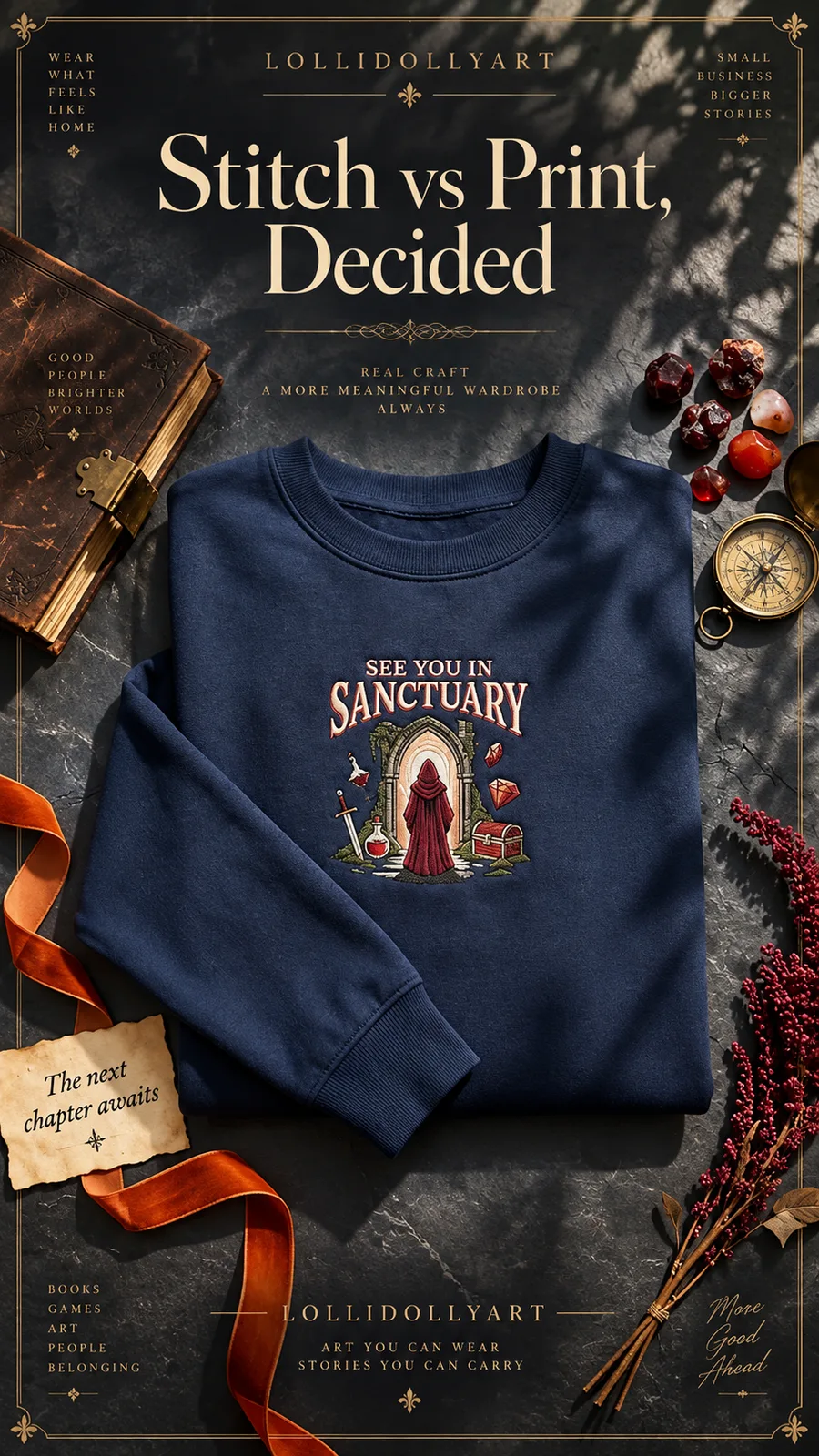
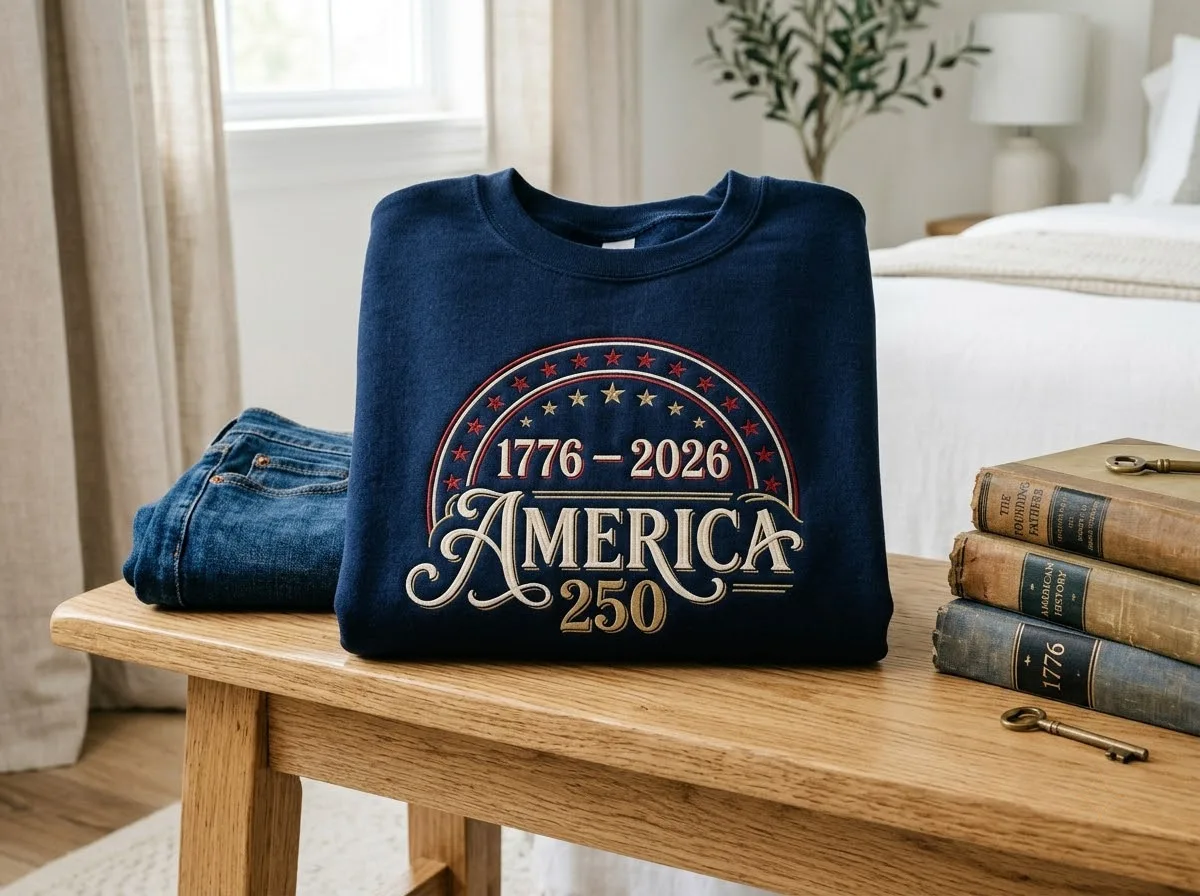
Perfect example of embroidery done right: a contained chest crest on heavy fleece where texture adds meaning and staying power.
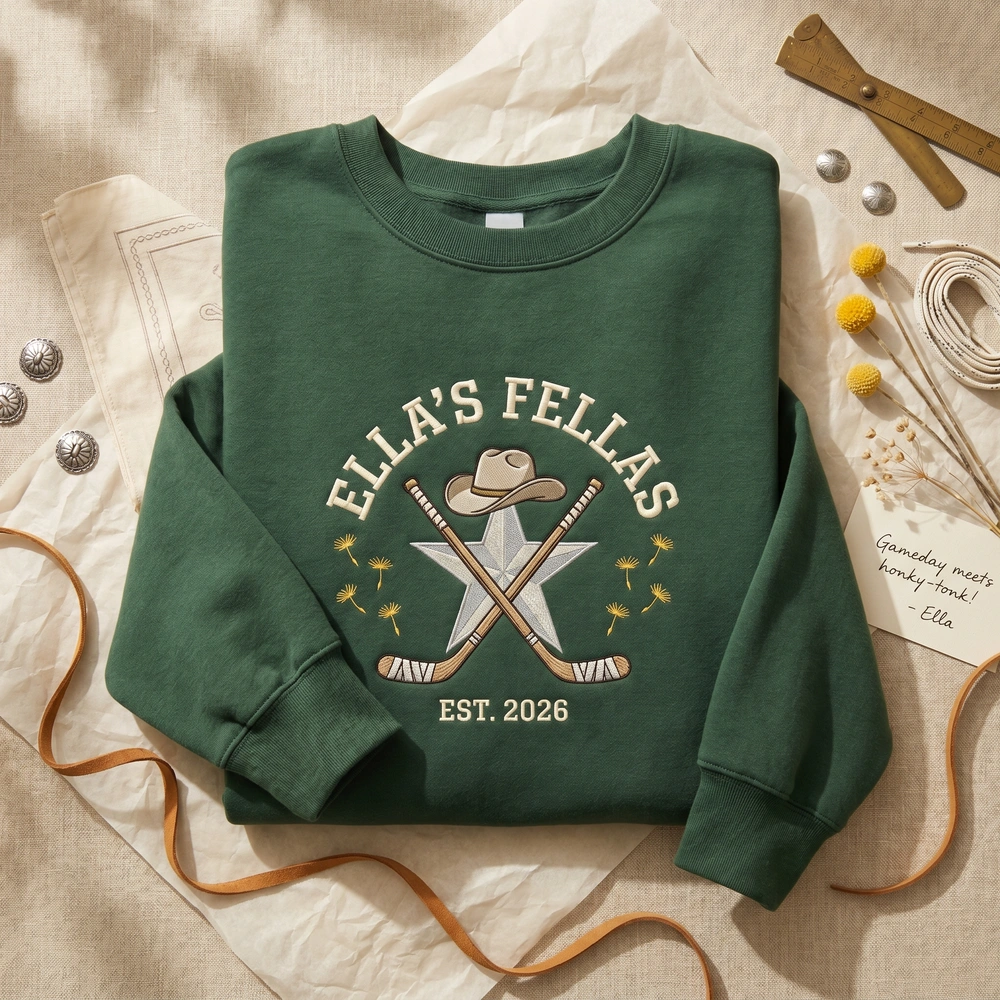
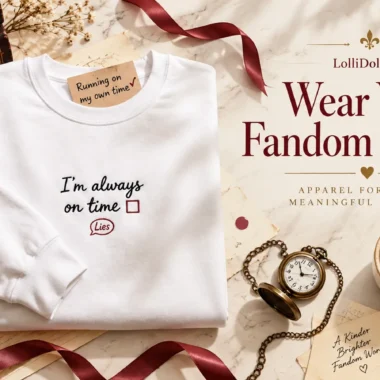
A small, iconic gameday graphic that pops in thread — ideal for the left-chest placement embroidery was made for.
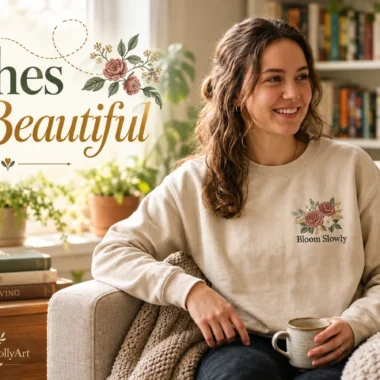
If you love the bookish, lived-in feel of a literary sweatshirt that still looks put-together for coffee or class, you’ll see why we stitch so many fan favorites. For everyday styling ideas, our guide on How to Style Embroidered Bookish Apparel: From Cozy Reading Nights to Literary Chic breaks down layering and accessories that let the texture do the talking.
Before you order, count colors and quantity
Screen printing pushes ink through a mesh stencil with a squeegee, and every color typically needs its own screen. That setup makes bulk, repeatable orders efficient and small, multi-color one-offs more expensive.
Wikipedia describes screen printing as using a mesh stencil and squeegee to transfer ink onto a substrate, with each color generally requiring a separate screen. For a 3- or 4-color design, you’re prepping 3 or 4 screens before the first shirt is printed — which is why it shines when you can reuse that setup across many units.
PPAI frames screen printing as a fast, affordable method for sizable orders on fabrics and paper goods, ideal for event tees, team shirts and promo apparel. On the flip side, PPAI notes that small quantities with three- or four-color artwork are often less cost-effective than other methods because of those front-end preparation costs.
| Method | Setup | Sweet spot | Watch out for |
|---|---|---|---|
| Embroidery | Digitizing + stitch time per unit | 1-50 premium pieces, hats, left-chest logos, sweatshirts | Large solid fills; tiny 4mm text; lightweight puckering |
| Screen Print | Screens per color + ink setup | 24+ repeatable designs, team/event tees, bold graphics | High setup cost for small runs with many colors |
| Other (DTG / Transfers / Sublimation) | Varies by method | Photo detail, one-offs, all-over prints | Fabric limitations and hand-feel differences |
Cost and workflow at a glance
For gifting, that matters: one personalized embroidered sweatshirt often costs less all-in than a 4-color screen print one-off once screens are factored in, even if screen print wins on a 50-shirt team order. If you’re weighing sentimental value versus unit price, our honest comparison in Embroidered vs Printed Gift Shirts: The Honest Tradeoff walks through gift-specific scenarios.
How each holds up after real washing and wearing
Both can be durable when done well, but durability should be judged by standardized wash and colorfastness testing, not just claims. Properly bonded print should resist washing and friction, while embroidery’s thread-based construction resists fading but can snag or pucker if poorly stabilized.
Here’s the nuance: a well-printed textile is engineered to hold. Wikipedia notes that printed color is intended to bond with the fiber to resist washing and friction. But ink quality, cure time and fabric content all affect whether it actually does — which is why pros rely on testing rather than promises.
AATCC maintains the standards used to evaluate colorfastness, appearance after home laundering, and home-laundering procedures themselves. When you compare a printed tee to an embroidered crew, ask whether the brand can speak to those test results: does the black stay black after 10 warm washes? Do the stitches still lie flat? Does the fleece pill around the design?
- Printed apparel: Watch for cracking, fading or peeling at stretch points — signs of under-cured ink or mismatched fabric
- Embroidered apparel: Watch for puckering, loose threads or backing show-through — signs of poor stabilization on that specific garment
- Care tip: Wash cold inside-out, avoid high heat, and skip fabric softener sheets on prints; for embroidery, promptly trim any snagged thread instead of pulling
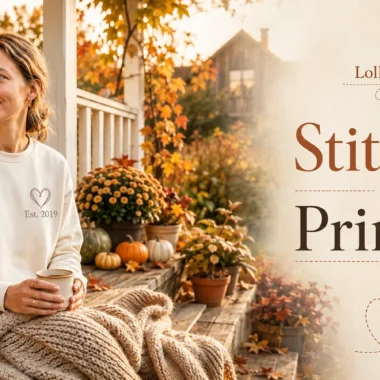
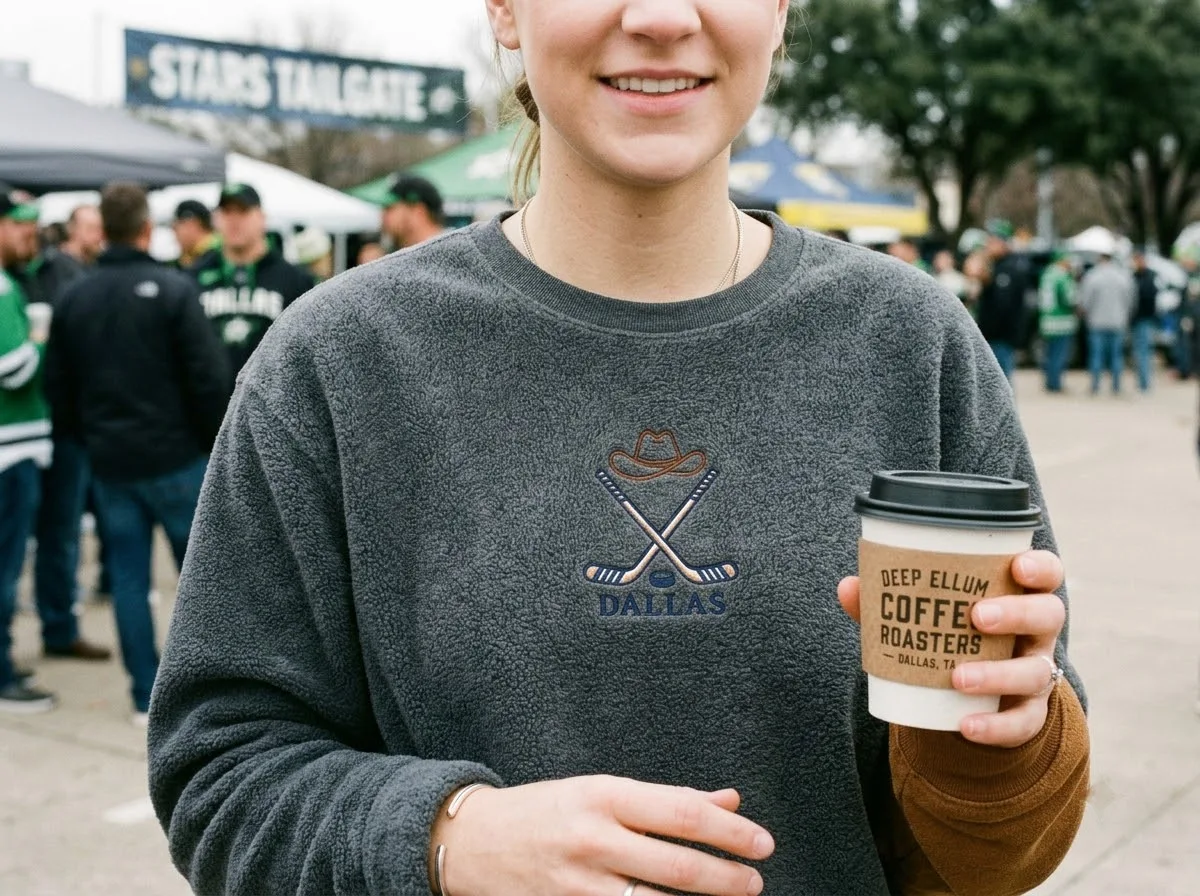
A fan piece built for repeat gameday washes — the stitched crest keeps its definition where a large inked graphic would age faster on fleece.
So — which should you choose for your situation?
Choose embroidery for premium, long-wear pieces with small-to-medium artwork on heavier fabrics; choose printing for large graphics, fine detail or bulk repeatable orders. For literary and fandom apparel you’ll wear for years, embroidery usually wins on texture and longevity.
If you’re buying for yourself or gifting one meaningful sweatshirt, embroidery’s tactile quality and wash stability make it feel special longer — especially on fleece. If you’re outfitting a whole team or need a poster-size front graphic with gradients, print (or DTG/transfer) will capture detail and scale more cleanly and affordably in quantity.
- Pick embroidery if: you want a left-chest logo, crest, or typography on a sweatshirt, hoodie, hat or jacket; you value texture and giftability; you’re ordering 1-24 personalized pieces
- Pick screen print if: you need 24+ shirts with the same bold graphic, especially with large coverage or repeat events
- Consider a transfer/DTG hybrid if: you need photographic detail or all-over sublimation on performance fabrics — per PPAI, there’s no single best method, only the best method for that garment and artwork
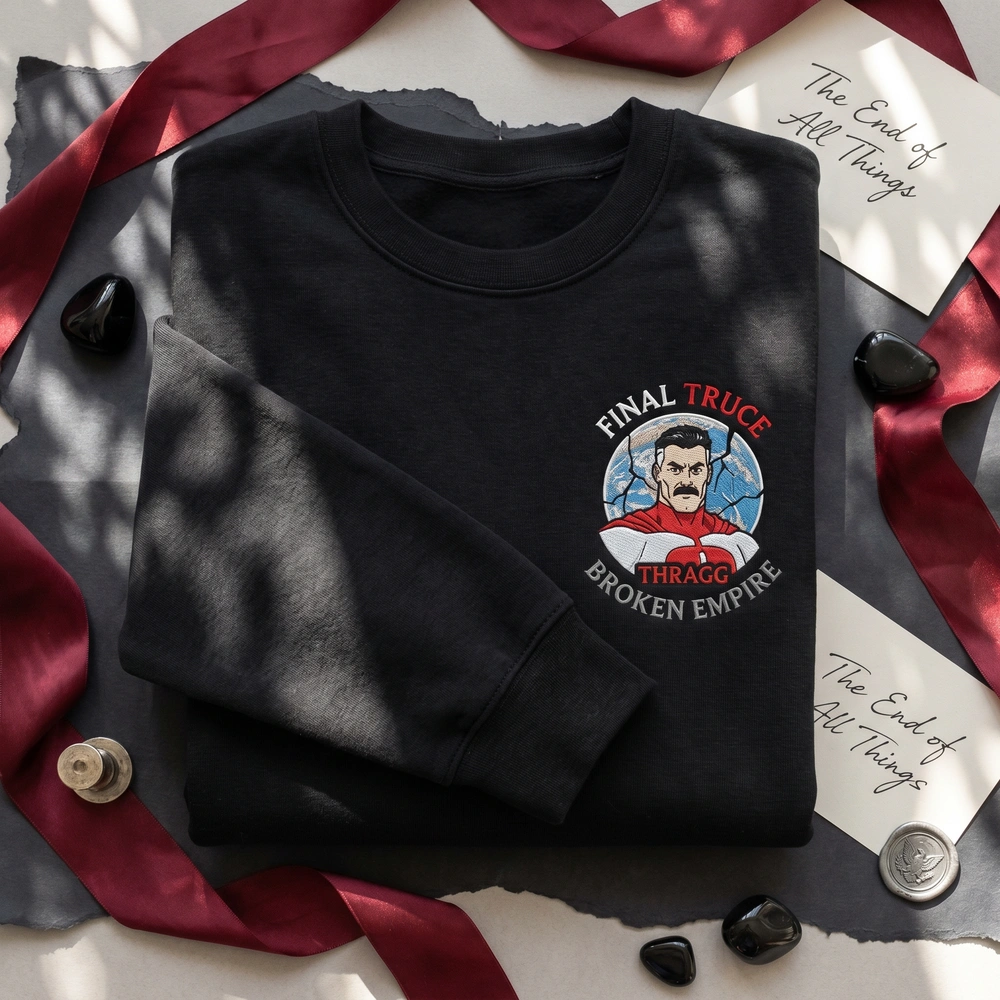
When the art is iconic but intimate — a contained chest scene — stitching preserves detail without the weight of a full printed panel.
We love both methods and use each where it belongs. If you live in fandom apparel as much as we do, explore our sjm merch collection to see how we translate intricate Throne of Glass-inspired designs into stitching that holds up to everyday wear — many of our readers start there and then branch into seasonal fleeces like those in Fall Embroidered Sweatshirts to Layer Into the Coziest Stretch of the Year.
Zoom your artwork to actual chest size (~4 inches wide). If you can still read every letter and see every line at that size, it will embroider beautifully. If it turns to mush, simplify or choose print for that version.
Quick questions
Is embroidered apparel more durable than printed apparel?
Often on sweatshirts and hats, yes — thread doesn’t fade the way ink can — but durability depends on construction and care. Treat wash performance as testable: look for colorfastness and home-laundering standards rather than marketing claims, and wash cold inside-out.
Why is screen printing cheaper for bulk but pricey for one-offs?
Each ink color needs its own screen and setup, so reusing those screens across many shirts spreads the cost. For a single shirt with 3-4 colors, that front-end prep makes small runs less cost-effective than embroidery or digital methods.
Can you embroider tiny text or very detailed logos?
Very small text and fine details are challenging in thread and can look crowded or cause puckering, especially on lightweight fabrics. For micro-typography or intricate linework, a print or transfer usually gives a cleaner result.
Which is better for gifting one personalized sweatshirt?
Embroidery usually feels more giftworthy for a single keepsake — textured, premium, and built for repeated cozy wears. Save screen printing for matching sets or large group orders where the same graphic repeats.