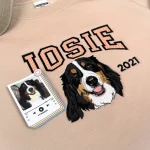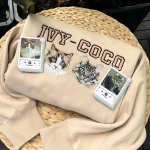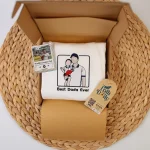
You pull your favorite graphic tee from the dryer and notice it. The vibrant quote you loved is now cracked, the edges peeling away like old paint. It’s a familiar sinking feeling. You spent good money on a shirt with personality, only to watch the design fade after a few cycles. Most people assume the washing machine is a one-size-fits-all box, but for printed apparel, it can be a design killer. The good news is that a few simple, deliberate steps can preserve the life of your shirts for years.

- Always start with the garment's sewn-in care label; it provides at least one safe regular-care method (FTC Care Labeling Rule).
- Turn printed shirts inside out before washing to reduce friction on the design surface.
- Use cold water and a gentle/delicate cycle to protect both the print and the fabric fibers.
- Avoid bleach unless the care label explicitly permits it, and use low heat or air-dry to prevent cracking.
- Never iron directly over a graphic; always turn the shirt inside out and iron the backside.
The Very First Step: Decoding the Care Label
Always begin with the garment’s sewn-in care label. Under the FTC Care Labeling Rule, manufacturers must attach care instructions that provide at least one safe regular-care method for the item.
Before you even think about water temperature or detergent, find that small tag sewn into the side seam or neckline. The <a href="https://www.ftc.gov/legal-library/browse/rules/care-labeling-textile-wearing-apparel-certain-piece-goods-text">Federal Trade Commission (2023)</a> requires apparel manufacturers to provide care instructions, giving you a roadmap for that specific garment. These labels aren't just suggestions; they're the primary guide for preserving the fabric and any applied designs.
- Washing symbols: These icons tell you the recommended water temperature, cycle type, and whether bleaching is safe.
- Drying symbols: Look for the square symbol with a circle inside; dots indicate heat levels (one dot for low, two for medium, three for high).
- Special instructions: Some labels include notes like ‘dry clean only’ or ‘do not iron,’ which are especially important for specialty prints.
Take a quick photo of the care label on your phone. This is especially helpful for gifts or custom apparel, like the designs you’ll find on a mother goose shirt, where preserving the charm is the whole point.
Temperature and Agitation: Protecting the Print's Integrity
When the care label allows machine washing, the safest default for graphic tees is cold water on a gentle or delicate cycle. The American Cleaning Institute notes that cold water is appropriate for fine fabrics, sensitive colors, and items prone to shrinking.
Heat and friction are the primary enemies of any surface-applied graphic. The <a href="https://www.cleaninginstitute.org/cleaning-tips/clothes/laundry-basics">American Cleaning Institute (2023)</a> emphasizes that cold water is not only gentler on colors but also protects fibers from the thermal shock that can cause prints to lift or crack. Combined with a delicate cycle, you minimize the mechanical agitation that wears down the design.
| Temperature | Effect on Fabric | Effect on Graphic | Best For |
|---|---|---|---|
| Cold (under 80°F) | Minimal shrinkage, gentle on fibers | Safe for most screen prints and heat transfers | Default for all graphic tees |
| Warm (90-100°F) | Slight shrinkage possible | Can soften adhesive on iron-ons | Only if label explicitly recommends |
| Hot (110°F+) | Significant shrinkage risk | High risk of cracking, peeling, and fading | Never recommended for printed apparel |
Water Temperature Impact on Printed Tees
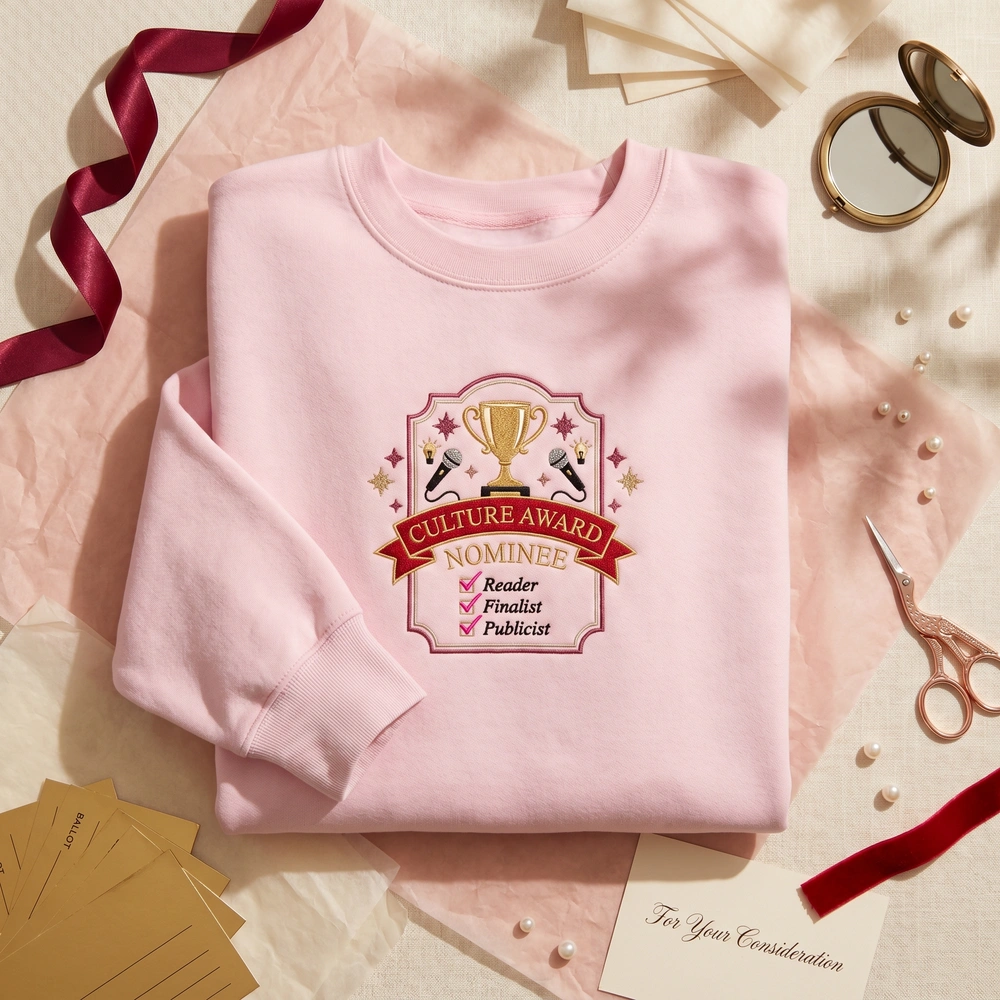
If you're looking for apparel that avoids the pitfalls of surface printing altogether, this light pink embroidered hoodie features raised satin-stitch detailing that's far more durable than a heat transfer.
The Inside-Out Rule and Why It Matters
Always turn printed or embellished shirts inside out before placing them in the washing machine. This simple habit significantly reduces abrasion on the design surface, keeping the graphic intact for longer.
This might be the single most important habit for anyone who wears printed apparel. When a shirt tumbles through a wash cycle, the design is exposed to direct friction against other garments, the drum itself, and even the detergent suds. By turning it inside out, you create a protective barrier of fabric between the print and the outside world. The <a href="https://help.cricut.com/hc/en-us/articles/28428362520215-Color-Pop-Iron-On">Cricut Help Center (2023)</a> specifically advises turning embellished items inside-out before washing to preserve the design.
Keep the shirt inside out when you transfer it to the dryer. The heat and tumbling action of the dryer can be just as abrasive as the wash cycle. Keeping the print shielded on the inside continues that protection through the entire cleaning process.
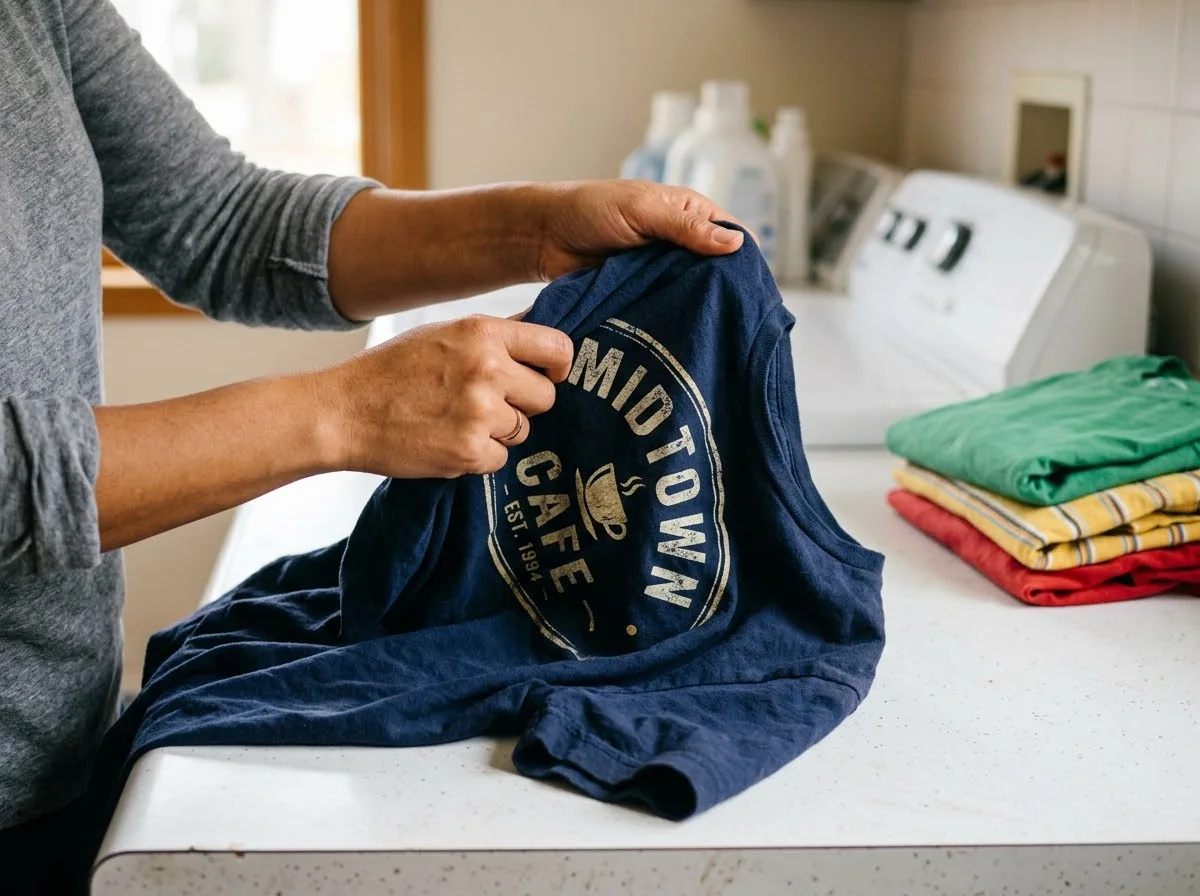
Avoiding the Biggest Laundry Mistakes for Printed Tees
The most common mistakes—using bleach, high dryer heat, and ironing directly over the graphic—cause the most permanent damage to printed shirts.
Even with the right water temperature and cycle, a few specific missteps can still ruin a graphic tee. These are the 'big three' errors that seasoned apparel care experts warn against most frequently.
1. Bleach and Harsh Chemicals
Bleach is a common go-to for stains, but it is rarely safe for printed apparel. The <a href="https://help.cricut.com/hc/en-us/articles/28428362520215-Color-Pop-Iron-On">Cricut Help Center (2023)</a> states 'Do not bleach' for iron-on designs, and for good reason. Bleach strips color from fibers and can chemically break down the adhesives and inks used in many commercial print methods. Unless your care label explicitly says bleaching is allowed, it's a gamble you shouldn't take.
2. High Dryer Heat
Drying is where many perfectly good shirts meet their end. Excessive heat causes fibers to contract and adhesives to soften, leading to the dreaded cracking and peeling. The <a href="https://www.cleaninginstitute.org/cleaning-tips/clothes/laundry-basics">American Cleaning Institute (2023)</a> advises choosing dryer settings according to garment labels to prevent damage. For most graphic tees, that means tumble dry low or, even better, hanging to air-dry.
3. Direct Heat from an Iron
If your shirt needs ironing, never press the iron directly onto the printed graphic. The intense, concentrated heat will melt or scorch many print types. The <a href="https://cricut.com/blog/gb/everything-you-need-to-know-about-iron-on-material/">Cricut (2023)</a> recommends turning the garment inside out and ironing the backside only, which applies the heat through the fabric without direct contact with the design.
Heat-transfer graphics sit on the fabric surface and usually need stricter low-heat care than screen-printed designs.— Wikipedia, T-shirt overview
Print Type Dictates the Care Strategy
Not all graphic tees are created equal. The type of print—whether screen-printed, heat-transfer, or direct-to-garment—determines exactly how much care your shirt needs.
Understanding the difference between print methods helps you calibrate your care routine. A screen-printed design, where ink is pressed through a mesh stencil, is generally more durable than a heat-transfer or iron-on graphic, which sits directly on the fabric surface. As noted in a <a href="https://en.wikipedia.org/wiki/T-shirt">T-shirt overview on Wikipedia</a>, screen printing is a common commercial T-shirt decoration method, while heat-transfer graphics usually need stricter low-heat care.
| Print Method | Durability Level | Key Care Focus | Risk Level |
|---|---|---|---|
| Screen Printing | High | Avoid bleach, gentle cycle | Low — ink is absorbed into fibers |
| Heat Transfer / Iron-On | Moderate | Cold water, low heat, no direct ironing | Medium — adhesive-based, sits on surface |
| Direct-to-Garment (DTG) | Moderate to High | Cold water, turn inside out, low dry heat | Low to Medium — ink bonded to fibers |
Care Intensity by Print Method
If you're comparing apparel options and wondering whether printed or embroidered designs might suit your needs better, our breakdown of <a href="https://lollidollyart.com/embroidered-vs-printed-shirts-for-sentimental-gifts/">embroidered vs. printed gift shirts</a> covers the honest tradeoffs in detail.
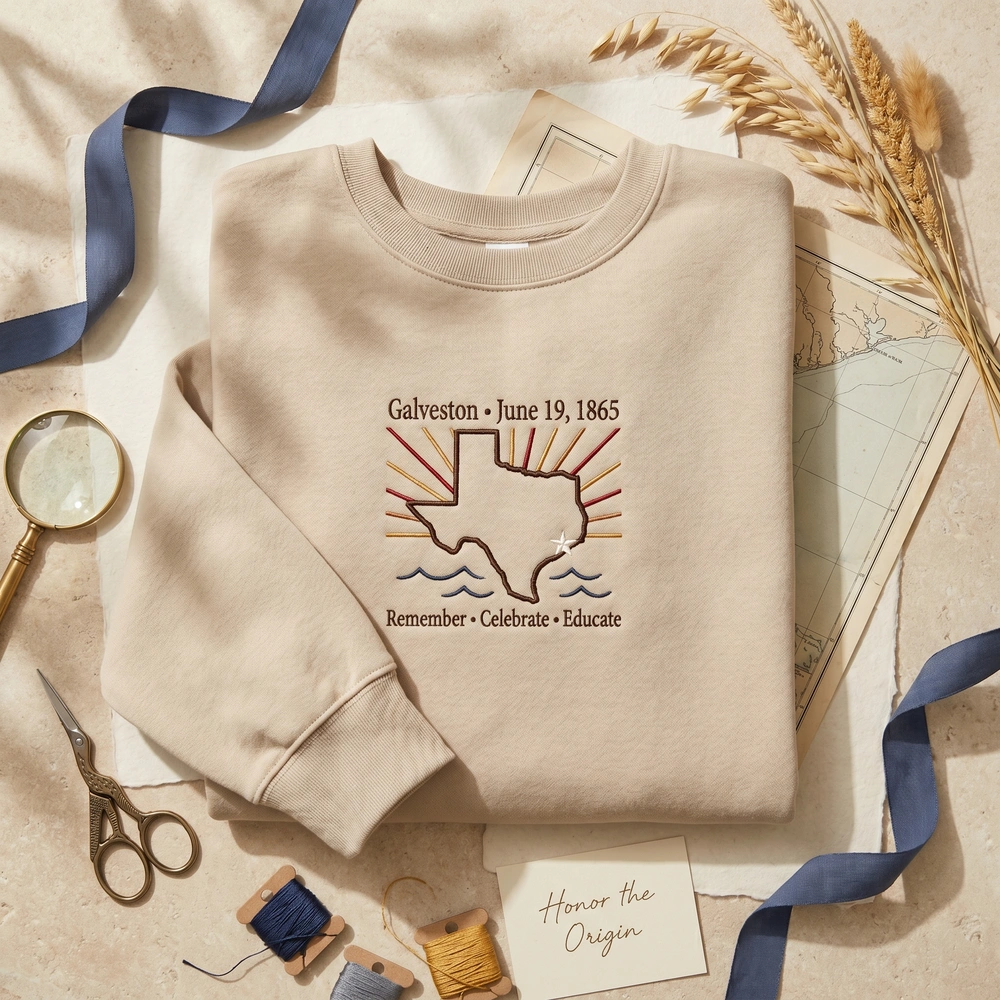
This Galveston-inspired Juneteenth freedom day tee uses machine-embroidered detailing that won't crack, peel, or fade like a printed design—ideal for commemorative wear you want to last.
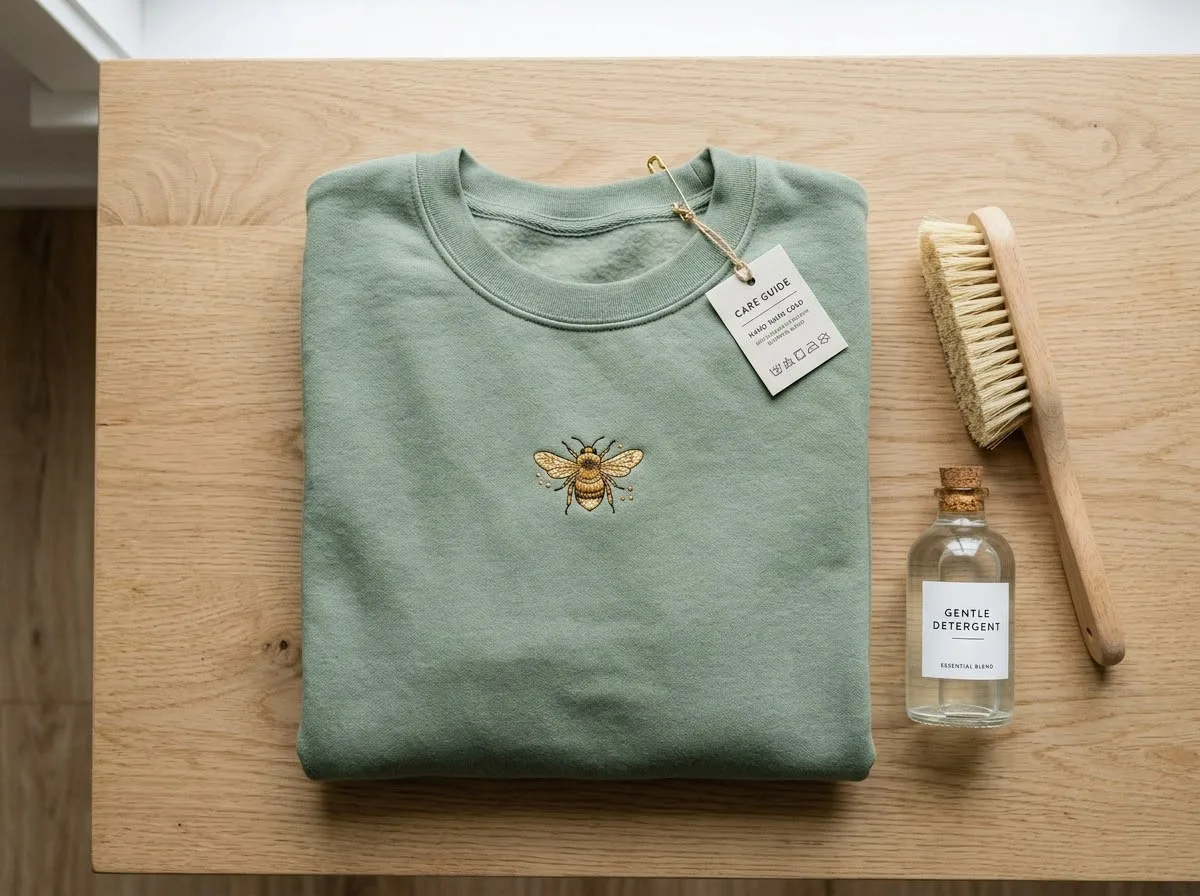
A Practical Wash Routine You Can Follow Every Time
Here is a step-by-step routine that incorporates all the best practices for keeping your printed graphic tees in top condition, cycle after cycle.
- Check the label: Confirm the recommended water temperature, cycle, and drying method.
- Turn it inside out: Flip the shirt so the printed side faces inward, reducing friction exposure.
- Sort and separate: Wash graphic tees with similar colors and fabrics; avoid heavy items like jeans or towels that increase abrasion.
- Set the cycle: Select cold water and a gentle or delicate cycle.
- Add detergent: Use a mild, color-safe liquid detergent; avoid powder detergents that can leave residue.
- Skip the bleach: Unless the label explicitly allows it, never use chlorine bleach on a graphic tee.
- Transfer carefully: Remove the shirt promptly from the washer to prevent wrinkles and mildew.
- Dry with care: Use the lowest heat setting or air-dry on a flat surface or drying rack.
If you’re ever uncertain about the right dryer setting for a particular shirt, air-drying is the safest bet. It costs nothing, uses no energy, and eliminates the risk of heat damage entirely. This is especially wise for newer shirts or those with intricate designs, like the detailed embroidery on a Juneteenth 1865 Freedom Day sweatshirt.
Common Questions
These answers address the most frequent concerns people have about maintaining their printed apparel collections.
- Can I use fabric softener on graphic tees? Fabric softener is generally safe, but it can leave a residue that dulls colors over time. If you choose to use it, opt for a liquid version and add it during the rinse cycle rather than the wash cycle.
- How do I remove a stain without ruining the print? Dab the stain gently with a damp cloth and a small amount of mild detergent. Avoid rubbing, which can damage the design. Treat the spot before washing the whole shirt.
- Should I hand-wash instead of machine-washing? Hand-washing is always the gentlest option, especially for high-value or heavily embellished garments. If you hand-wash, use cold water and a gentle swishing motion—never wring or twist the fabric.
- How often should I wash graphic tees? It depends on wear. Shirts worn for short periods (like layering under a jacket) can often be worn 2-3 times before washing. Shirts worn directly against the skin in warm conditions should be washed after each use.
- Do embroidered designs need different care than printed ones? Embroidery is generally more durable than surface printing because the threads are stitched into the fabric. However, turning garments inside out and using a gentle cycle is still recommended for both, especially for raised or densely stitched designs.