You’ve seen them in your feed: pet photo shirts that look crisp, vibrant, almost gallery-worthy. Then you’ve seen the other kind—the ones where Fluffy’s face looks like it was printed on a potato. The difference isn’t luck. It’s the printing method, the fabric, and the photo you start with. With 95 million U.S. households owning a pet, the market for pet-photo apparel has exploded, and so has the range in quality. This guide walks you through what separates a tshirt with pet photo that you’ll actually wear from one that ends up in the donation pile. No fluff—just the details that matter when you’re comparing options.
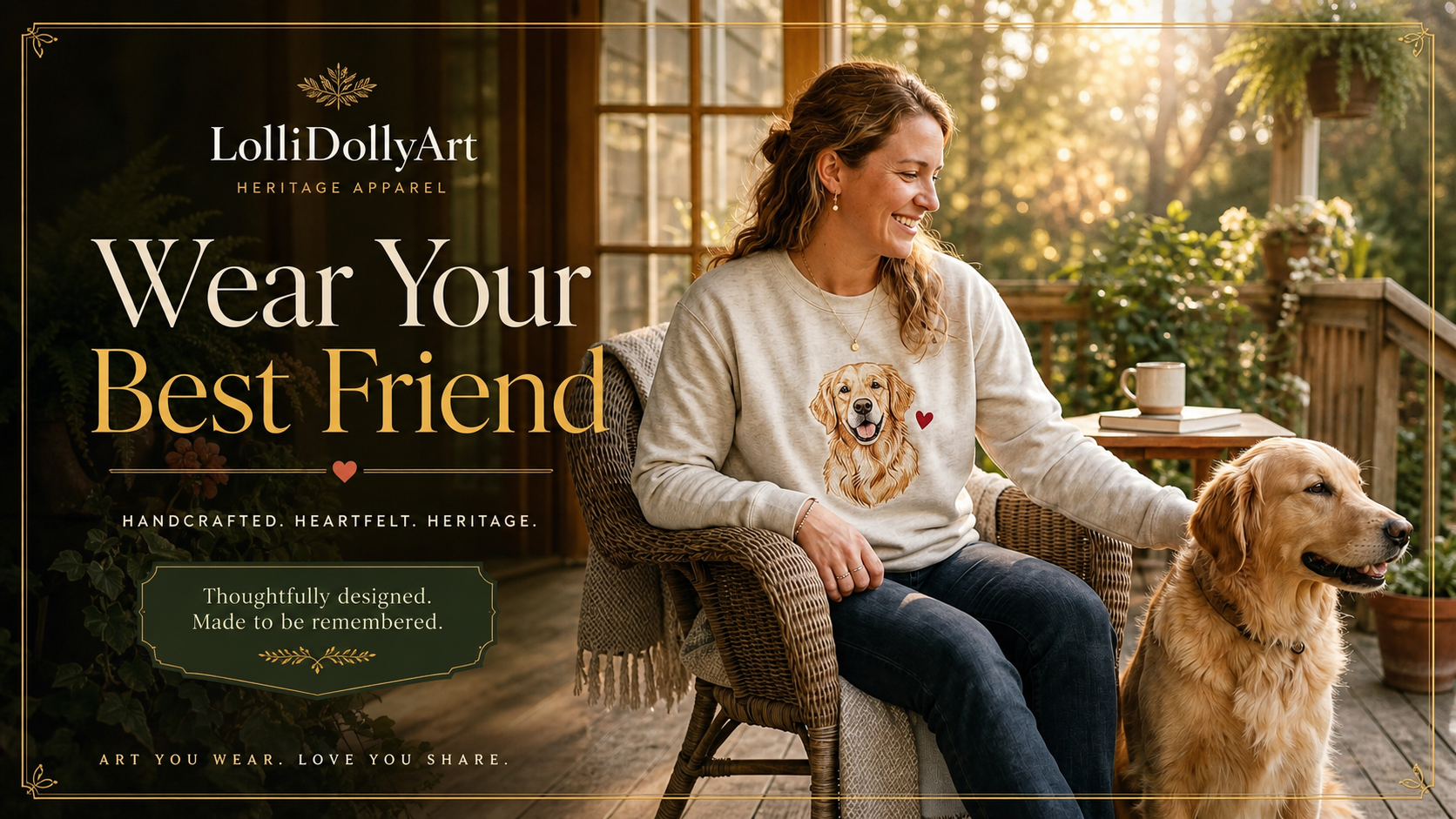
- DTG or DTF printing reproduces pet photos with full-color detail; traditional screen printing and embroidery can't match photographic realism.
- 100% ring-spun cotton gives the sharpest, most vibrant pet photo prints; 50/50 blends create a softer, more vintage look.
- Dark-colored shirts require pretreatment for white ink, which affects durability and cost—plan accordingly.
- Always use a photo you took yourself or have permission to reproduce; pet photos are copyrightable works.
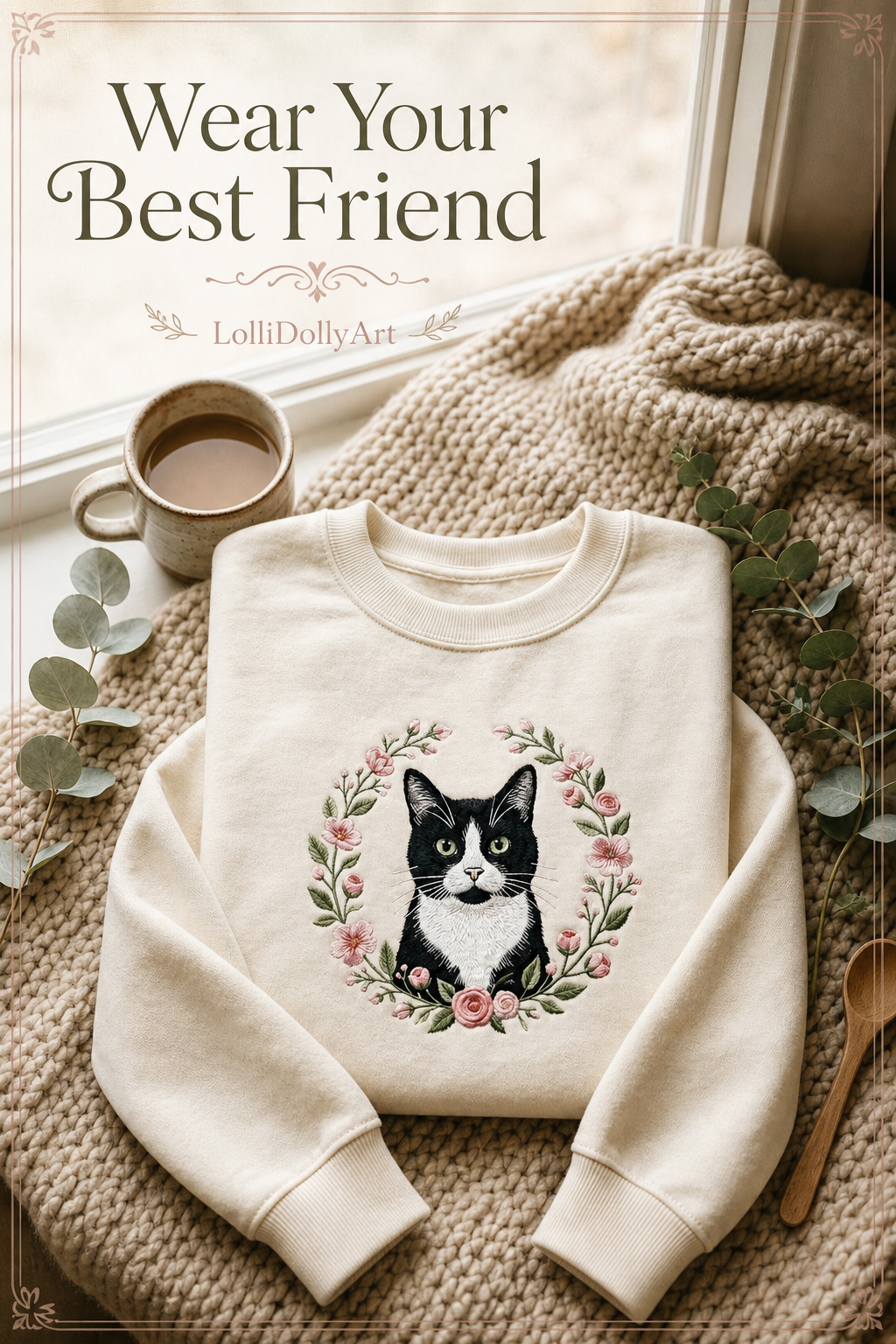
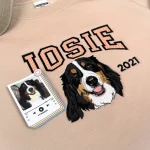
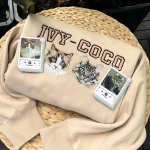
- For a more artistic, textured keepsake, embroidered pet portrait sweatshirts offer a different aesthetic than printed tees.
Why Most Pet Photo Shirts Look Cheap (And How to Avoid That)
The biggest reason pet photo shirts disappoint is the wrong printing method. Traditional screen printing uses spot colors and can’t reproduce the gradients and fine details in a photograph. For true photo reproduction on a tshirt, you need DTG (direct-to-garment) or DTF (direct-to-film) printing, which spray ink directly onto fabric in full color.
According to GRAPHICS PRO, DTG and DTF are the go-to methods for photographic images on apparel. Screen printing works beautifully for bold logos and simple graphics, but it struggles with the subtle tonal shifts in your dog’s fur or the glint in your cat’s eyes. If a seller doesn’t specify their printing method, ask—or move on.
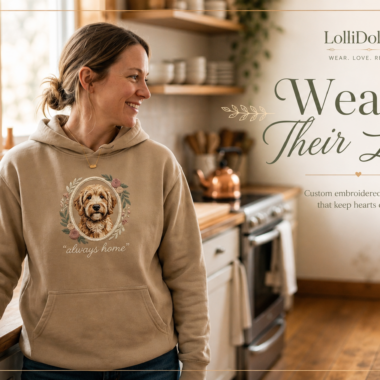
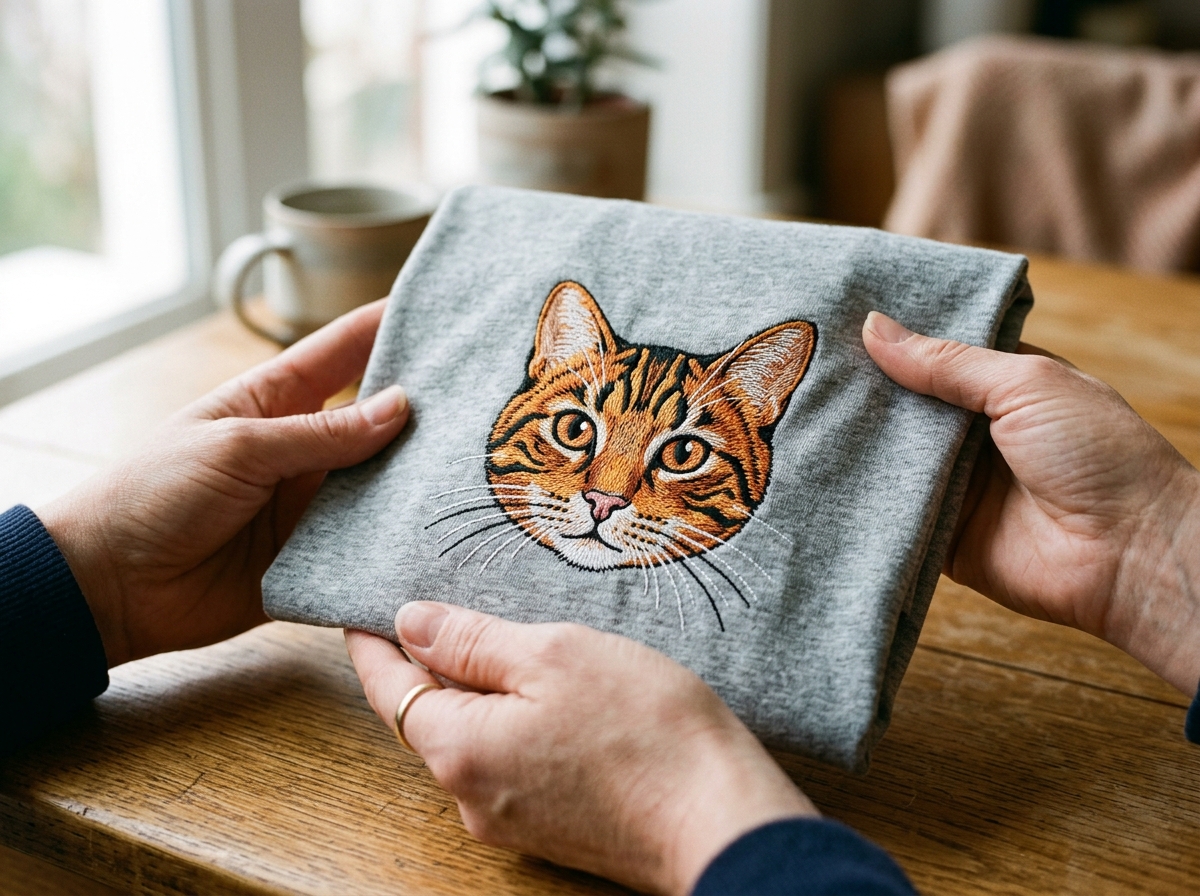
Embroidery is a different story. It can’t replicate a photograph pixel-for-pixel, but it transforms a pet image into something textured and artistic. If you want a literal photo, go DTG. If you want a stylized portrait with dimension and craft, embroidered options like a personalized embroidered dog photo sweatshirt offer a keepsake quality that printed tees can’t match.
| Method | Photo Realism | Texture | Best For |
|---|---|---|---|
| DTG / DTF | High – full color gradients | Smooth, ink-on-fabric | Exact photo reproduction |
| Screen Printing | Low – spot colors only | Smooth, thick ink layer | Simple graphics, logos |
| Embroidery | Stylized – thread interpretation | Raised, tactile stitches | Artistic portraits, keepsakes |
Printing method comparison for pet photo apparel
If a product listing says “custom pet shirt” but doesn’t specify DTG, DTF, or embroidery, message the seller. Vague descriptions often mean sublimation (which only works on polyester) or low-quality heat transfers that crack after a few washes.
The Fabric Factor: Cotton Blend vs. Ring-Spun
For the sharpest pet photo print, choose 100% ring-spun cotton. The smoother surface lets DTG ink sit cleanly on top of the fibers, producing brighter colors and crisper details. A 50/50 cotton-polyester blend absorbs ink differently, creating a softer, more washed-out look.
GRAPHICS PRO explains that 100% ring-spun cotton generally gives the strongest bond and brightest colors for DTG printing. The ring-spinning process creates a finer, more uniform yarn, which translates to a flatter printing surface. Combed cotton takes this a step further by removing short fibers, reducing fuzziness that can blur fine details.
That said, some people prefer the vintage, lived-in look of a 50/50 blend. If you’re going for a retro aesthetic—think faded concert tee vibes—a blend might actually be the right call. Just know what you’re getting.
- 100% ring-spun cotton – sharpest detail, most vibrant color, slightly heavier feel
- 100% combed cotton – even smoother surface, premium hand-feel, best for intricate photos
- 50/50 blend – softer drape, vintage look, less color saturation
- Tri-blend – very soft but unpredictable ink absorption; not ideal for detailed photos
Ring-spun and combed cotton reduce stray fibers and create a flatter surface, which helps detailed DTG images look sharper.— GRAPHICS PRO
Dark Shirts Need Extra Planning
Printing a pet photo on a black or navy shirt isn’t as simple as printing on white. Dark garments require pretreatment so the white ink base doesn’t soak into the fabric, and this extra step affects both cost and durability.
Here’s what happens: DTG printers lay down a white ink layer first, then print the color image on top. Without pretreatment, that white ink absorbs into dark fibers and turns gray. GRAPHICS PRO notes that proper pretreatment and curing keep the image vibrant and wash-resistant. But it adds time and cost to production.
If you’re ordering a dark shirt, expect to pay a bit more—and ask the seller about their pretreatment process. A shop that skips or rushes this step will deliver a shirt that looks great out of the box but fades dramatically after five washes.
Light-colored shirts don’t need a white ink base, which means faster production, lower cost, and often better long-term durability. If you’re on the fence about color, a heather gray or natural white is a safe bet for photo clarity.
Before You Upload: Photo Quality and Copyright
The best printing method in the world can’t fix a blurry photo. Start with a high-resolution image—at least 300 DPI at the size it will print—and make sure you have the right to use it.
Most phone cameras from the last five years shoot at resolutions that work fine for a chest-sized print. The bigger issue is focus and lighting. A photo where your pet is mid-zoom, slightly out of focus, with harsh shadows? That’s going to look rough on fabric. Look for images with even lighting, sharp focus on the face, and minimal background clutter.
Copyright matters too. The U.S. Copyright Office treats photographs—including digital files—as copyrightable works. If a professional photographer took your pet’s portrait, you likely don’t own the reproduction rights unless you purchased them. Stick to photos you took yourself, or get written permission.
- Check resolution – aim for 300 DPI at print size; most sellers specify minimum pixel dimensions
- Evaluate focus – zoom in on your pet’s eyes; if they’re soft, the print will be too
- Consider background – busy backgrounds can distract; many sellers offer background removal
- Confirm ownership – use your own photos or get explicit permission from the photographer
When Embroidery Makes More Sense Than a Photo Print
A DTG pet photo shirt captures your pet exactly as they appear. An embroidered pet portrait interprets them—turning a photograph into a textured, artistic rendering with thread. For gifts meant to last years, embroidery often feels more special.
Embroidery won’t give you photographic realism, and that’s the point. A skilled digitizer translates your pet’s features into stitch patterns—satin stitches for smooth areas, fill stitches for texture, careful color blending to capture expression. The result has dimension you can feel. It’s closer to a portrait than a print.
This makes embroidered pieces particularly good for memorial gifts or milestone occasions. A custom cat face embroidery sweatshirt with flowers turns a beloved pet into wearable art. For horse owners, an embroidered horse portrait sweatshirt captures the animal’s presence in a way that feels substantial and lasting.
| Factor | DTG Photo Print | Embroidered Portrait |
|---|---|---|
| Realism | Exact photo reproduction | Artistic interpretation |
| Texture | Flat, smooth | Raised, tactile stitches |
| Durability | Good with proper care | Excellent; thread doesn't fade like ink |
| Best occasion | Casual wear, fun gifts | Memorials, milestone gifts, keepsakes |
| Price range | Lower | Higher (more labor-intensive) |
Photo print vs. embroidery: which fits your gift?
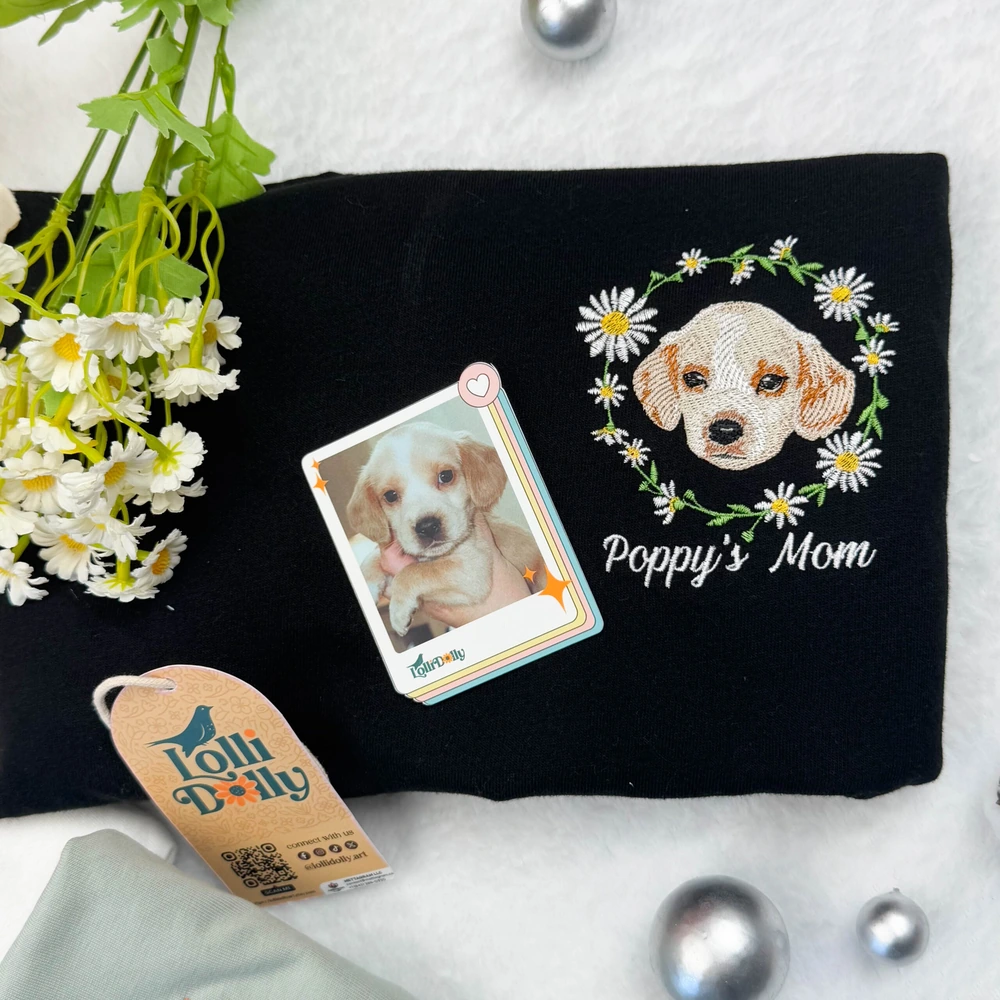
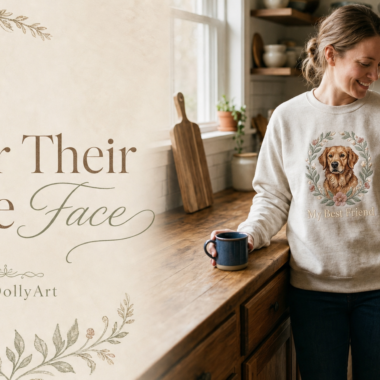
A machine-embroidered portrait surrounded by delicate floral details—ideal for birthdays, holidays, or pet memorials.
Comparing Your Options: A Decision Framework
The right pet photo shirt depends on who it’s for, what occasion you’re shopping for, and how much you want to spend. Here’s a framework to narrow it down quickly.
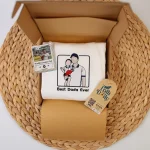
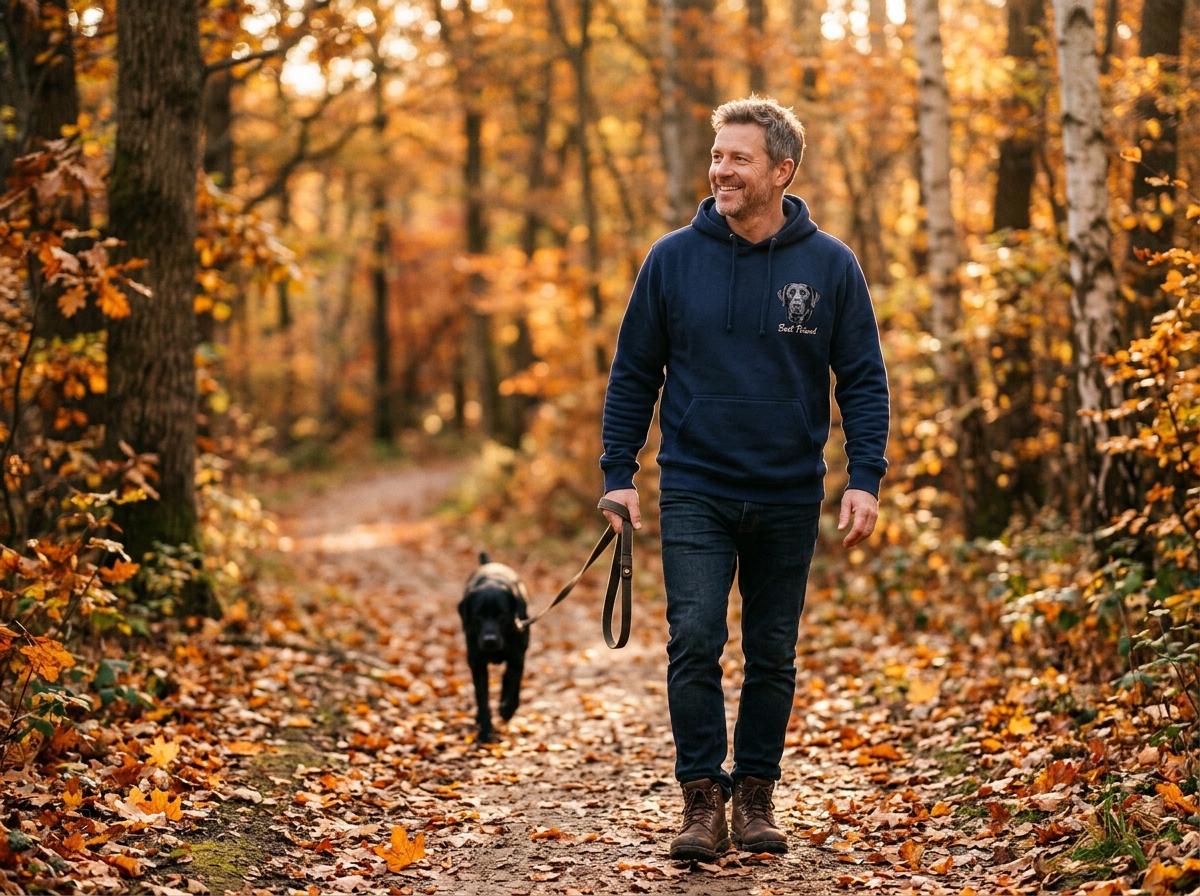
For a casual, everyday tee—something to wear to the dog park or around the house—a DTG-printed shirt on ring-spun cotton hits the sweet spot of quality and value. For a gift that feels elevated, especially for someone who’s lost a pet or celebrating a major milestone, embroidered sweatshirts and hoodies carry more emotional weight.
| Scenario | Best Option | Why |
|---|---|---|
| Casual self-purchase | DTG tee on 100% cotton | Affordable, true-to-photo, easy to care for |
| Fun gift for a friend | DTG tee or hoodie | Playful, personal, mid-range price |
| Birthday or holiday gift | Embroidered sweatshirt | Feels special, lasts longer, keepsake quality |
| Pet memorial | Embroidered portrait with florals | Artistic, tactile, honors the pet's memory |
| Cat lover (growing market) | Either—cats print and embroider well | Cat ownership up 22% since 2023; strong gift angle |
Quick decision guide by use case
Cat-themed gifts deserve a special mention. APPA’s 2025 Dog & Cat Report found that 49 million U.S. households now own a cat, up from 40 million in 2023. That’s a 22% jump in two years. If you’re shopping for a cat person, you’re not in a niche—you’re in a growth market.
For more ideas beyond tshirts, our guide to custom pet owner gifts covers a wider range of personalized options, from hoodies to accessories.
What to Check Before You Buy
Before placing an order, verify the printing method, fabric composition, and the seller’s return policy. These three details predict 90% of whether you’ll be happy with the result.
- Confirm the printing method – DTG or DTF for photos; embroidery for artistic portraits. Avoid vague terms like “custom printed.”
- Check fabric content – 100% ring-spun or combed cotton for sharpest prints; blends for softer, vintage looks.
- Ask about dark garment process – if ordering black or navy, confirm pretreatment is included.
- Review the return policy – custom items often can’t be returned, but reputable sellers will reprint if there’s a production error.
- Look at customer photos – seller photos are styled; customer reviews show real-world results.
One more thing: if you’re selling custom pet-photo shirts yourself (or buying from a small seller), know that FTC textile labeling rules require labels for fiber content, country of origin, and manufacturer identity. Care instructions are also mandatory. Legitimate sellers include these; fly-by-night operations often don’t.
If you’re trying a new seller, order a single shirt for yourself before buying gifts for others. You’ll see the actual print quality, fabric feel, and turnaround time without risking a disappointing gift.
Quick questions
Can I put any pet photo on a tshirt?
You can use any photo you took yourself or have permission to reproduce. Professional pet portraits are copyrighted by the photographer, so you'd need their written consent. Stick to your own snapshots to avoid issues.
How do I know if my photo is high enough quality?
Most sellers specify minimum pixel dimensions (often 1000×1000 or higher). Zoom in on your pet's face—if the eyes are sharp and in focus, you're usually fine. Blurry or pixelated source images will look worse on fabric.
Will a pet photo shirt fade after washing?
DTG prints on properly pretreated fabric hold up well if you wash inside-out in cold water and avoid the dryer. Embroidered designs are even more durable since thread doesn't fade like ink.
What's the difference between DTG and sublimation?
DTG sprays ink directly onto cotton and works on any shirt color. Sublimation uses heat to bond dye into polyester fibers—it only works on white or light polyester, and the fabric feels different. For a classic cotton tee, DTG is the better choice.